What This Guide Covers
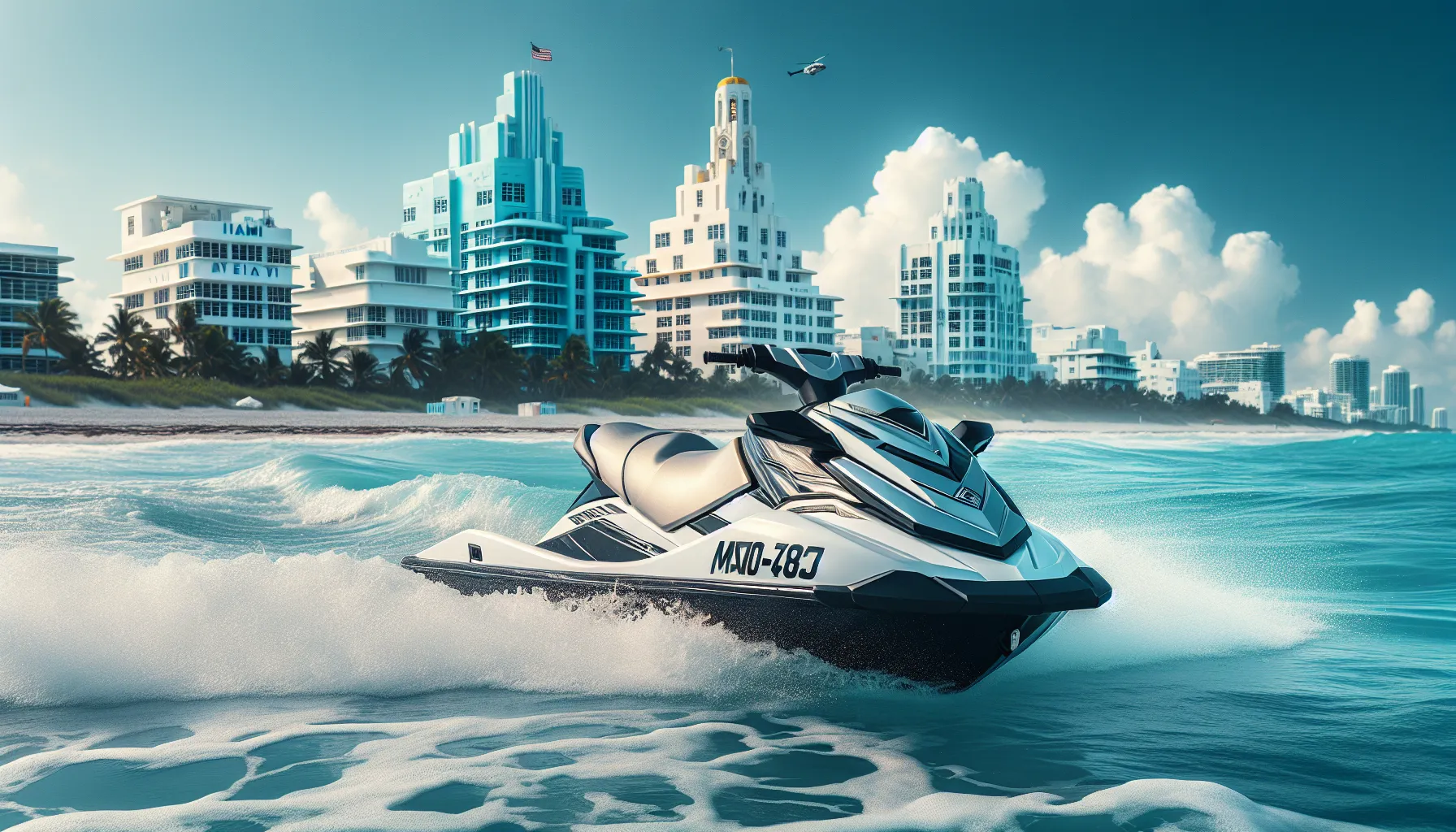
If you only have time for one takeaway, here it is: April is the single best month to jet ski in Miami Beach. Air temperatures sit in the low 80s, Biscayne Bay water hovers around 78 degrees, rain days are few, and the Spring Break crowds have gone home. But "best" is not the same for everyone. A first-timer who wants glassy, forgiving water has a very different ideal month than a seasoned rider chasing rolling Atlantic swells after an autumn cold front.
By the end of this guide you will know, month by month, what the water and weather actually do in Miami Beach, where the seasonal hazards hide, how ocean-side and bay-side riding differ, and exactly what Florida law requires before you throttle up. This is written to help you plan a trip that is safe, legal, and genuinely fun rather than a gamble against a 3 PM thunderstorm.
One thing never changes with the season: if you were born on or after January 1, 1988, Florida requires you to carry a Boating Safety Education ID Card to operate any vessel of 10 horsepower or more, and every rental jet ski qualifies. You can get your Florida boating license online through a state-standards online course and print a temporary certificate the same day. If your trip is to Miami specifically, our companion piece on whether you need a license to rent a jet ski in Miami walks through exactly what rental operators check.
Spring: March Through May (The Gold Standard)
Spring is the safest bet on the calendar. Water temperatures climb from the mid-70s into the low 80s, the daily summer storm machine has not switched on, and the wind stays manageable.
March: Beautiful but Crowded
March delivers dry, warm air and comfortable mid-70s water. The catch is Spring Break. Rental docks along Collins Avenue and the Miami Beach Marina fill up, and the water between the jetties at Government Cut can feel like rush hour on I-95, with charter boats, cruise ship traffic, kayakers, and jet skis all crossing paths. If you ride in March, go on a weekday morning. North Beach near the Bal Harbour jetty is a different world midweek.
Typical March conditions: air 75 to 82 degrees, water 73 to 76 degrees, roughly five or six rain days, and east-northeast winds of 10 to 15 knots.
April: The Sweet Spot
April is the month I recommend without hesitation. The break crowds are gone, the storm pattern has not arrived, and the water is warm enough that falling off is a non-event. Rainfall is minimal, often just three or four brief morning showers the entire month. The one thing that will get you is the sun: Miami's UV index is intense by April, so apply zinc-based sunblock before you launch, not at the dock, because spray strips it fast.
Typical April conditions: air 77 to 84 degrees, water 76 to 79 degrees, three or four rain days, light east winds of 8 to 12 knots.
May: The Last Clean Window
May is quietly excellent. Days stretch past 13 hours of daylight and water pushes toward 80 degrees. The rainy season begins to flicker on, though, so you will see the first real afternoon thunderstorms of the year. The rule for May is simple: be off the water by early afternoon. Check the National Weather Service Miami forecast before you go, and treat Memorial Day weekend as its own crowded exception.
Typical May conditions: air 80 to 87 degrees, water 79 to 82 degrees, eight or nine rain days, light and variable winds.
Spring bottom line: you can barely go wrong from March through May. A weekday in April is the closest thing to a guaranteed great ride Miami Beach offers.
Summer: June Through August (High Risk, High Reward)
Summer is a genuine gamble. Water is bathwater-warm at 84 to 87 degrees, mornings can be stunning, but the afternoon thunderstorm cycle is relentless from mid-June into September: clear morning, building clouds by noon, full storm by 2 to 4 PM.
This is not a mere inconvenience. Florida leads the nation in lightning deaths, and a large share of lightning fatalities happen on or near water, according to the National Weather Service. If you can hear thunder, you are already within striking distance, and lightning routinely strikes ahead of the rain line. Our detailed guide to what to do when lightning strikes on the water applies directly to Miami Beach: get off the water immediately, do not wait for the first raindrop.
June: The Transition
The first two weeks of June can still feel like late spring; by the third week the summer pattern is running. The reward is early morning. At 7 AM the bay near the Sunset Islands is mirror-flat, and a run south past Star Island with the skyline catching first light is one of the best rides in Florida. June also brings the first Portuguese man o' war inshore after sustained easterly winds, so keep your eyes on the surface.
Typical June conditions: air 83 to 90 degrees, water 82 to 85 degrees, 12 to 14 rain days, light mornings and unsettled afternoons.
July: Ride Before 11 or Do Not Ride
July is peak everything: heat, humidity, storms, and tourist crowds. Fourth of July weekend on the water is controlled chaos. If July is when your trip falls, book the very first rental slot of the day, ride until roughly 11 AM, and watch live radar the entire time. Warm summer water does not cool you off when you splash into it, so dehydration sneaks up fast; drink 16 ounces before you launch.
Typical July conditions: air 86 to 92 degrees, water 85 to 87 degrees, 13 to 15 rain days, calm mornings and gusty storm winds.
August: The Month to Skip
August combines daily storms, peak hurricane activity, and Sargassum seaweed that clogs jet ski intakes and makes the ocean side essentially unridable. Hurricane season runs June 1 through November 30 per NOAA, and statistical activity peaks from mid-August into September. Even a storm hundreds of miles offshore can push dangerous swells and rip currents to the coast. The rare calm August morning can be magical precisely because you have the water to yourself, but plan around the exception, not the rule.
Typical August conditions: air 86 to 92 degrees, water 85 to 87 degrees, 14 to 16 rain days, storm-driven variable winds.
Summer bottom line: mornings only, radar on your phone, and never take lightning lightly.
Fall: September Through November (The Local Secret)
Most visitors plan spring or winter trips, which is exactly why locals love fall. Tourist numbers fall, rental prices drop, and from late October through November the weather rivals April.
September: Weather Roulette
September is a coin flip. It is statistically the most active month for Atlantic hurricanes, so an entire week can be lost to a passing tropical band, then followed by ten flawless days. Water stays comfortable in the low 80s and crowds thin dramatically after Labor Day. If you can watch the forecast 48 hours out and go when it lines up, September offers empty water and low prices.
Typical September conditions: air 84 to 89 degrees, water 82 to 84 degrees, 12 to 14 rain days, tropical-system-dependent winds.
October: The Turnaround
October is when the daily storm pattern breaks apart and the humidity finally drops. Water stays warm in the upper 70s to low 80s, and the wind shifts to a cleaner northeasterly flow. After the first cold fronts arrive in mid-month, the Atlantic settles into long, rolling swells that are a blast for experienced riders between South Pointe and Haulover. Watch for post-frontal north winds, which build a surprising two-foot chop inside the bay because the fetch runs the length of upper Biscayne Bay.
Typical October conditions: air 80 to 86 degrees, water 79 to 82 degrees, eight to ten rain days, variable winds around frontal passages.
November: The Dark Horse
November is criminally underrated. Hurricane season is functionally over, the air is perfect, and the water is warmer than newcomers expect. It is also when manatee season begins: from November 15 through March 31, many Miami-Dade waterways enforce slow-speed zones under the Florida Manatee Sanctuary Act. Obey every posted sign, because hitting a manatee is dangerous for the animal and for you. Our guide to Florida manatee zones and speed regulations explains where they are and how they are marked. As a bonus, November tends to have the clearest ocean-side water of the year.
Typical November conditions: air 76 to 82 degrees, water 75 to 79 degrees, five to seven rain days, northeast winds of 10 to 15 knots.
Fall bottom line: October and November are the insider picks. Handle September's hurricane uncertainty and you will have the water to yourself; want a sure thing, book a weekday in November.
Winter: December Through February (Better Than You Think)
Every winter someone insists the water is too cold to ride. It is not. Biscayne Bay sits around 71 to 73 degrees in January, warmer than the Southern California ocean in summer, where people surf year-round. A rash guard or a light 1mm neoprene top is plenty for most riders. Air temperature is the bigger variable, since wind chill at speed can make a 65-degree morning feel raw.
December: Holiday Chaos on the Dock
December weather is often ideal for riding: clear, dry, comfortable, with the year's best water clarity as cold fronts push out the murky bay water. The challenge is demand. Miami Beach's winter tourism season peaks, and rental docks sell out between Christmas and New Year's, so book ahead.
Typical December conditions: air 68 to 78 degrees, water 73 to 75 degrees, four or five rain days, north winds of 15 to 20 knots behind fronts.
January: The Coolest Month (Still Good)
January is statistically the coolest month, with post-front mornings occasionally dipping into the low 60s and water at its annual minimum in the low 70s. The payoff is huge: near-zero thunderstorm risk means you can ride all day without watching the sky, the winter light is golden, and the air is dry and clear. Manatee sightings peak now, and idling past a 1,000-pound manatee surfacing beside your hull in a marked zone is unforgettable.
Typical January conditions: air 64 to 76 degrees, water 71 to 73 degrees, five or six rain days, north-northeast winds of 12 to 18 knots between fronts.
February: The Warm-Up
By mid-February water temperatures creep back up and days lengthen. Wind is the main issue, since the frontal pattern is still active and can deliver two or three days of sustained 15 to 20 knot north wind that turns the bay sloppy. When the forecast says north over 15, ride the bay side in the lee of the islands or wait a day; the wind almost always drops within 48 hours.
Typical February conditions: air 67 to 78 degrees, water 72 to 75 degrees, four or five rain days, north-northeast frontal gusts.
Winter bottom line: do not write off winter. You trade warm water for clear skies, wildlife, and zero lightning risk. Many riders take that deal every time.
Ocean vs. Bay: Where You Ride Matters as Much as When
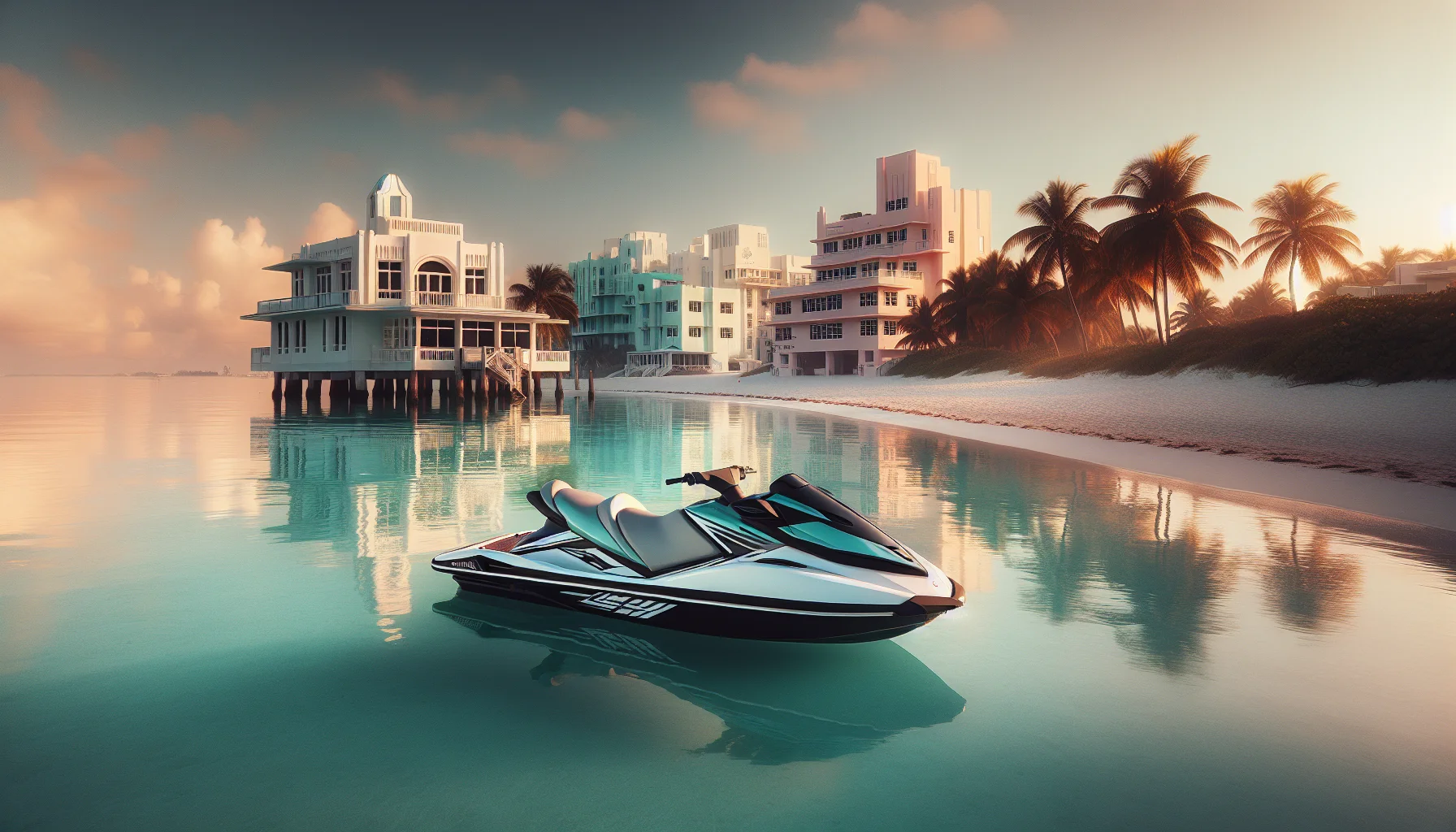
Miami Beach sits between two very different bodies of water, and choosing correctly matters as much as picking the month.
Biscayne Bay (West Side)
The bay is shallower, calmer, and more protected. It is where every beginner should start, in every season. Limited fetch keeps the chop manageable even on breezy days. The trade-off is traffic: the Intracoastal Waterway threads through the bay, carrying mega-yachts, tour boats, and commercial vessels. Navigation rules apply everywhere the FWC patrols, so stay to the right in channels, hold idle speed in marked zones, and give large vessels wide room. If you are new to the right-of-way basics, review our boat navigation rules and right-of-way guide before you launch.
Atlantic Ocean (East Side)
The ocean side is open, exposed, and far more demanding. Swells, currents, and wind hit you in ways the bay never does. Spring and fall deliver spectacular ocean riding; winter fronts can push four-foot seas close to shore, and summer cells can turn the ocean rough in 20 minutes. A good rule of thumb: with fewer than ten hours on a jet ski, stay in the bay. The ocean will still be there when you are ready.
Seasonal Hazards That Actually Matter
Rather than list every theoretical danger, focus on the hazards that actually cause problems in Miami Beach.
Lightning (summer): if you can hear thunder, get off the water. Do not wait for rain, which often arrives after the first strikes.
Portuguese man o' war (late spring through summer): these siphonophores ride the surface on a blue-purple float and trail stinging tentacles 10 feet or more below. Easterly winds push them inshore. If stung, rinse with vinegar or hot water, never fresh water, and seek care for large stings.
Sargassum seaweed (summer through early fall): harmless but ride-ruining. Heavy mats clog jet ski intakes and foul the ocean side, so shift to the bay when it piles up.
Manatee zones (mid-November through March): obey every slow-speed sign, watch for the round "footprints" a diving manatee leaves on the surface, and idle away slowly if you spot one.
Boat traffic (year-round): Government Cut, the main shipping channel, is one of the most dangerous spots in South Florida for small craft. Cruise ships cannot stop for you and their wake alone can swamp a jet ski. Stay out of marked shipping lanes, full stop.
What You Need Before You Launch
The Boating Safety Education Card
Anyone born on or after January 1, 1988 must carry a Florida Boating Safety Education ID Card to operate a vessel of 10 horsepower or more, jet skis included. This is a legal requirement, not a suggestion, and FWC officers can cite you on the water. An state-standards online course covers navigation rules, weather, and wildlife protection; the exam is 25 questions, you need 80% to pass, retakes are unlimited, and you can print a temporary certificate the same day you pass.
The Other Rules That Trip People Up
A few PWC-specific laws catch renters off guard. You must be at least 14 years old to operate a personal watercraft in Florida. PWCs may not be operated from a half-hour after sunset to a half-hour before sunrise, even where larger boats can still run with lights. The engine cut-off lanyard must be attached to you, your wrist, or your PFD whenever you ride. And everyone aboard a PWC must wear a Coast Guard-approved life jacket at all times. Our complete Florida jet ski and PWC laws guide breaks down the age, hours, and safety rules in full.
Rental Practicalities
If you are renting, and most visitors are, confirm the operator's weather cancellation and reschedule policy before you pay, especially in summer. Bring a real roll-top dry bag for your phone, ID, and safety card rather than a ziplock. Public boat ramps at Haulover Park, Pelican Harbor, and 79th Street give trailered PWCs access to both the bay and the ocean; Haulover is busiest, so arrive before 8 AM on weekends.
Month-by-Month Rankings
Ranked best to worst for jet skiing in Miami Beach, weighing weather, water, crowds, and hazards together:
- April — nearly perfect in every measurable way.
- November — clear water, no storms, light crowds.
- October — post-front ocean swells are addictive for skilled riders.
- May — elite mornings; just clear the water by early afternoon.
- March — great weather offset by Spring Break crowds.
- December — holiday crowds but stunning clarity.
- February — windy but underrated value.
- January — coolest month, yet calm, clear, and storm-free.
- June — strong first half; watch the sky in the second.
- September — wild card, from flawless to unridable.
- July — morning-only riding in punishing heat.
- August — storms, Sargassum, and peak hurricane risk.
Make Your Season Count
Whatever month brings you to Miami Beach, the water is worth the planning. Some months make you work for it by dodging storms and watching radar; others hand you glassy bays and golden light. The stretch from South Pointe to Haulover is some of the best personal watercraft riding in the country in any season, as long as you match your expectations and your skill to the calendar.
Before your trip, not the morning of, make sure you are legal on the water. Start the state-standards online course — $12.99 and you can pass, print your temporary certificate, and be riding the same day. Do it early so you spend your vacation on the water instead of at a desk.