
Cape Coral has more navigable canals than Venice, Italy, and on a sunny Saturday it can feel like every one of the city's tens of thousands of registered vessels wants the same slip you do. Dock etiquette is the difference between a smooth afternoon and a shouting match at the fuel pump. This guide walks you through exactly how to approach a dock, handle lines, raft up, share restaurant and fuel docks, and behave overnight so you stay both legal and genuinely welcome on the water. None of it is complicated, but almost all of it is unwritten, which is why so many otherwise good boaters get it wrong.
Good etiquette also rests on a legal foundation. In Florida, anyone born on or after January 1, 1988 must carry a boater education card to operate a vessel powered by 10 horsepower or more. If you still need yours, you can knock it out with our Florida boating safety course online, and the docking and mooring lessons inside it map directly onto everything below.
Why Cape Coral Docking Is Uniquely Demanding
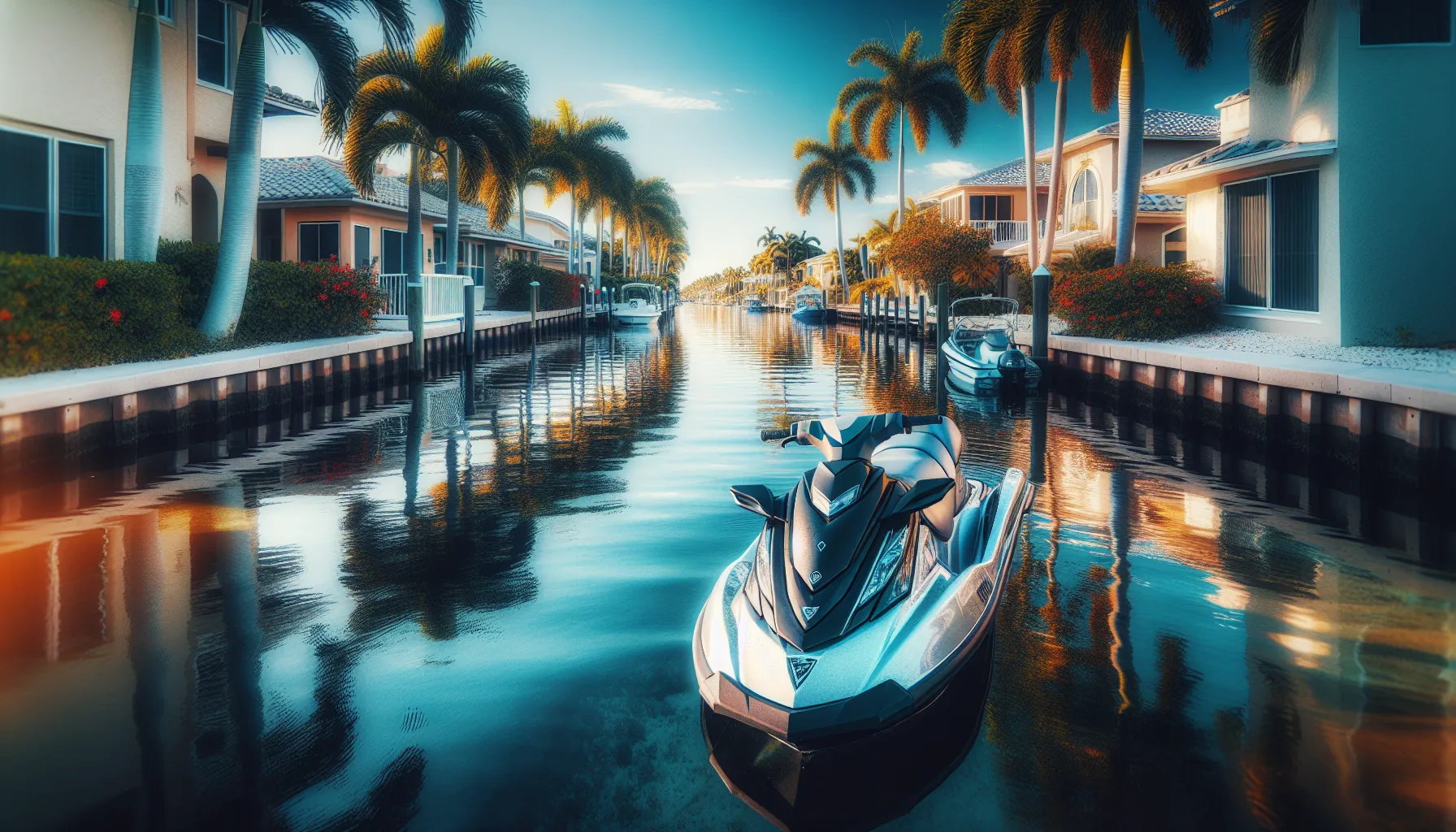
Cape Coral's roughly 400 miles of canals create more close-quarters dock encounters than almost anywhere else in the state. Private docks line nearly every residential canal, public facilities are limited, and the fingers between slips are often tight enough that a botched approach fouls two or three neighbors at once.
Three local factors make courtesy non-negotiable:
- Tidal current in the canals. Water moves through Cape Coral's canal network on the tide, and a two-knot set will walk your bow sideways the moment you slow down. You cannot dock here the way you would on a dead-calm lake.
- Season compression. From roughly November through April, snowbird traffic multiplies the number of boats using the same ramps, fuel docks, and waterfront restaurants. Slips fill early and patience runs short.
- Neighborhood proximity. Because so many canals are residential, your wake, your music, and your late-night engine noise land directly on someone's back porch. Etiquette here isn't abstract politeness; it's being a good neighbor to people twenty feet away.
The payoff for getting it right is real. In a tight-knit boating community, reputation travels faster than wake, and the boater known for a clean approach and a friendly hand on the dock gets help, space, and grace when they need it.
Approaching a Dock the Right Way
Communicate Before You Commit
At a staffed marina, hail ahead so the dockhands know you are coming and where you are going. VHF Channel 16 is for hailing and distress only; once you make contact, switch to a working channel such as 68 or 71, or the marina's posted channel. Confirm your slip assignment, ask which side you'll tie to, and request line handlers if you want them. Thirty seconds of radio work prevents most docking chaos.
Come In Slow and Plan for Current
The single most common Cape Coral docking mistake is approaching too fast to "beat" the current instead of working with it. Come in at idle, or even in and out of gear, and always account for how the tide is setting through the canal. Approach into the current when you can; it gives you steering control at low speed and lets you stop the boat against the water rather than against the dock. No-wake means genuinely no wake, both for the boats already tied up and for the docks themselves.
Prepare, Then Approach
Have everything ready before you enter the fairway, not while you're drifting toward a piling:
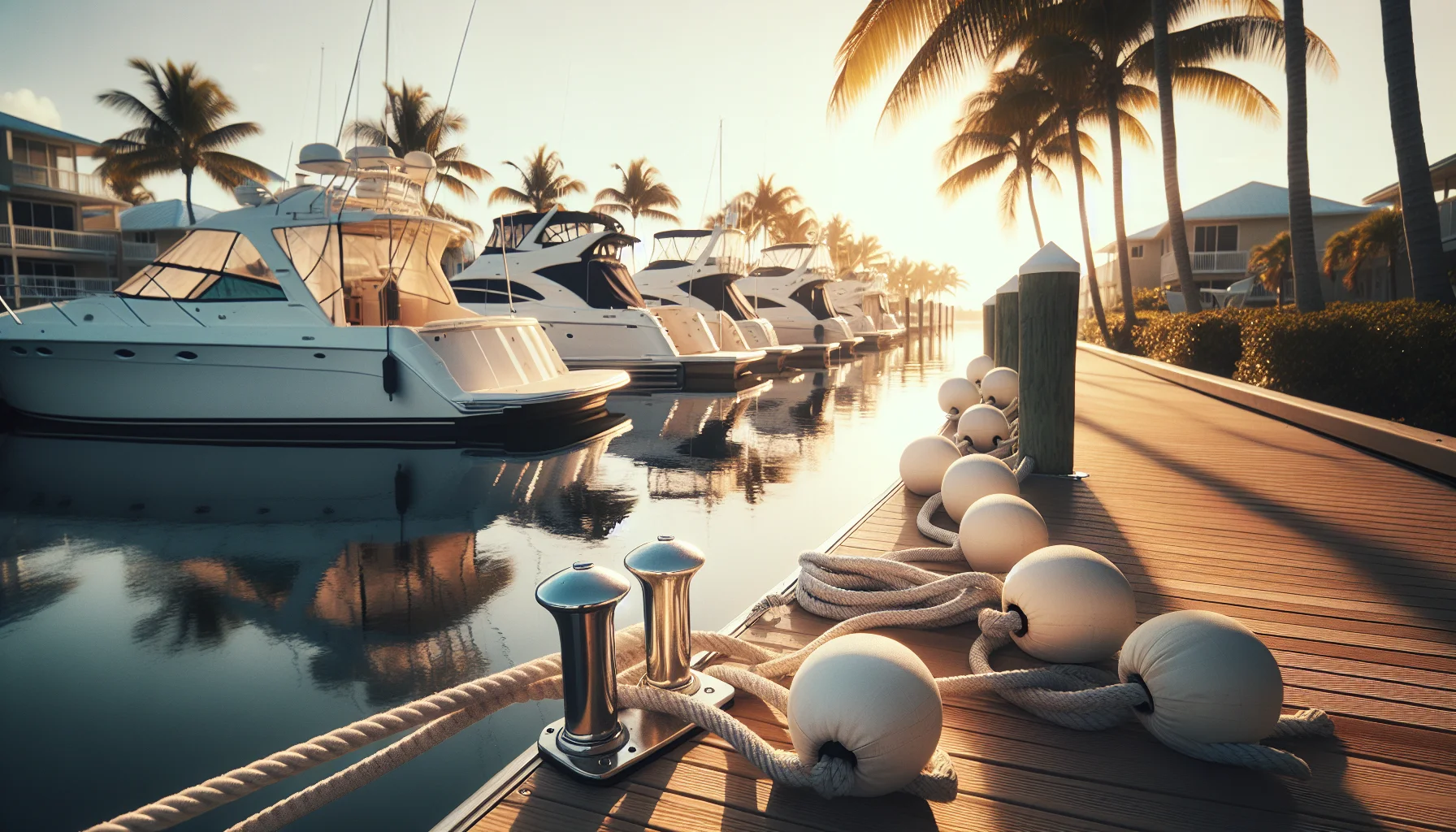
- Rig and lower your fenders to the right height for the dock you're approaching.
- Lead your dock lines (bow, stern, and at least one spring) and coil them to run free.
- Brief your crew on who steps off where and which line goes on first.
- Approach slowly with no heroics, and accept a helping hand gracefully when it's offered.
- Secure the boat immediately rather than standing around admiring your landing.
Line Handling and Spring Lines
Spring Lines Are Not Optional
Bow and stern lines alone let a boat surge forward and back with wind and current, sawing against the dock and stressing your cleats. Spring lines, which run at an angle from the boat toward the middle of the dock, stop that fore-and-aft movement. In a canal with real tidal flow, a properly set spring line is what keeps your boat sitting still and quiet in the slip. Learn to set one; it marks you instantly as someone who knows what they're doing.
Cleat and Neighbor Courtesy
- Use a proper cleat hitch: one full turn, a figure-eight, and a locking hitch. Skip the ten sloppy wraps.
- Don't pile your line on top of a neighbor's on a shared cleat; make your turns underneath so either boat can cast off independently.
- Leave room on shared pilings and cleats for the boats around you.
- Re-check your tension as the tide changes so you're neither hanging on your lines nor slamming the dock.
Giving and Taking a Hand
If you offer to help someone dock, ask before you grab a line and then follow the skipper's directions; a well-meaning stranger who cleats the bow too early can pin a boat against the current and make things worse. When you're the one receiving help, tell your handlers exactly which line you want on first and where, thank them, and never blame a volunteer for a landing you set up badly.
Rafting Up Without Ruining the Day
Rafting up, tying two or more boats together at anchor or along a face dock, is a Cape Coral sandbar and event staple. Done well it's the best part of a boating day; done badly it damages gel coat and friendships.
The Ground Rules
- Always ask first. Never come alongside and tie to another vessel without the owner's clear permission, and never assume an overnight raft is welcome.
- Big boat as the anchor. In an anchored raft, the largest, heaviest vessel with the best ground tackle typically sets the hook, and similar-sized boats tie off to it.
- Fenders, and then more fenders. Use at least three fenders between hulls, matched to where the widest points meet, and adjust them as boats ride differently on the swell.
- Cross your lines. Run bow, stern, and spring lines between boats so the raft flexes together instead of grinding.
- Read the conditions. Break the raft up before wind, chop, or a passing storm builds; a raft that's comfortable in flat water becomes a battering machine when the wake picks up.
Keep foot traffic across other people's decks to a minimum, ask before you use a neighbor's cooler or head, and coordinate the departure order before anyone starts pulling lines. The last boat in is usually the first boat out.
Restaurant Dock Courtesy
Cape Coral's waterfront restaurants, from Cape Harbour to the Boathouse Tiki Bar, live and die by dock turnover on busy nights. Treat a restaurant dock as short-term parking, not a private slip for the evening.
- Watch the clock. A meal's worth of time is reasonable; camping at a prime dock for hours while boats circle is not. If the dock is full and you're lingering over a third round, move the boat and free the space.
- Tie considerately. Leave enough room on the face dock for the next boat, and don't sprawl a small boat across a spot that could hold two.
- Follow the dock attendant. Where a restaurant has staff directing traffic, do what they ask, tip them for the help, and let them manage the queue.
- Mind your wake on the way in and out. A hard throttle past a lined-up restaurant dock rocks every boat and every plate on it.
Fuel Dock Efficiency
The fuel dock is the one place where slowness genuinely hurts other people, because it's a single chokepoint everyone has to pass through. The rule is simple: fuel, pay, and move so the next boat can get in.
Keep It Moving
- Know roughly how much fuel you need and have payment ready before you tie up.
- Pull fully forward or aft so a second boat can share the dock behind you.
- Start pumping right away; if someone needs the restroom or the store, one crew member goes while fueling continues.
- Once you've paid, move the boat off the dock before you reorganize gear, stow snacks, or socialize.
Leaving a boat unattended on the fuel dock while the whole crew wanders into the ship's store is the classic way to earn a bad reputation fast. Because fuel docks are also where spills and fires happen, treat fueling as a focused, no-distractions job; our companion guide to safe fueling procedures at the dock covers the safety side in detail.
Overnight and Neighborhood Courtesy
Quiet Hours
Most marinas observe quiet hours, commonly around 10 PM to 8 AM. During that window, shut down generators, drop music and voices, and keep dock movement to a minimum. Dim your spreader and deck lights so you're not floodlighting the boat next to you, and never aim a spotlight at a neighboring cockpit.
Power, Water, and Access
Match your shore-power cord to the correct amperage so you don't trip the pedestal for the whole dock, fix hose leaks promptly, and conserve water on shared systems. Don't prop security gates open, follow the marina's access rules, and lock your boat when you leave it.
Canals Are Backyards
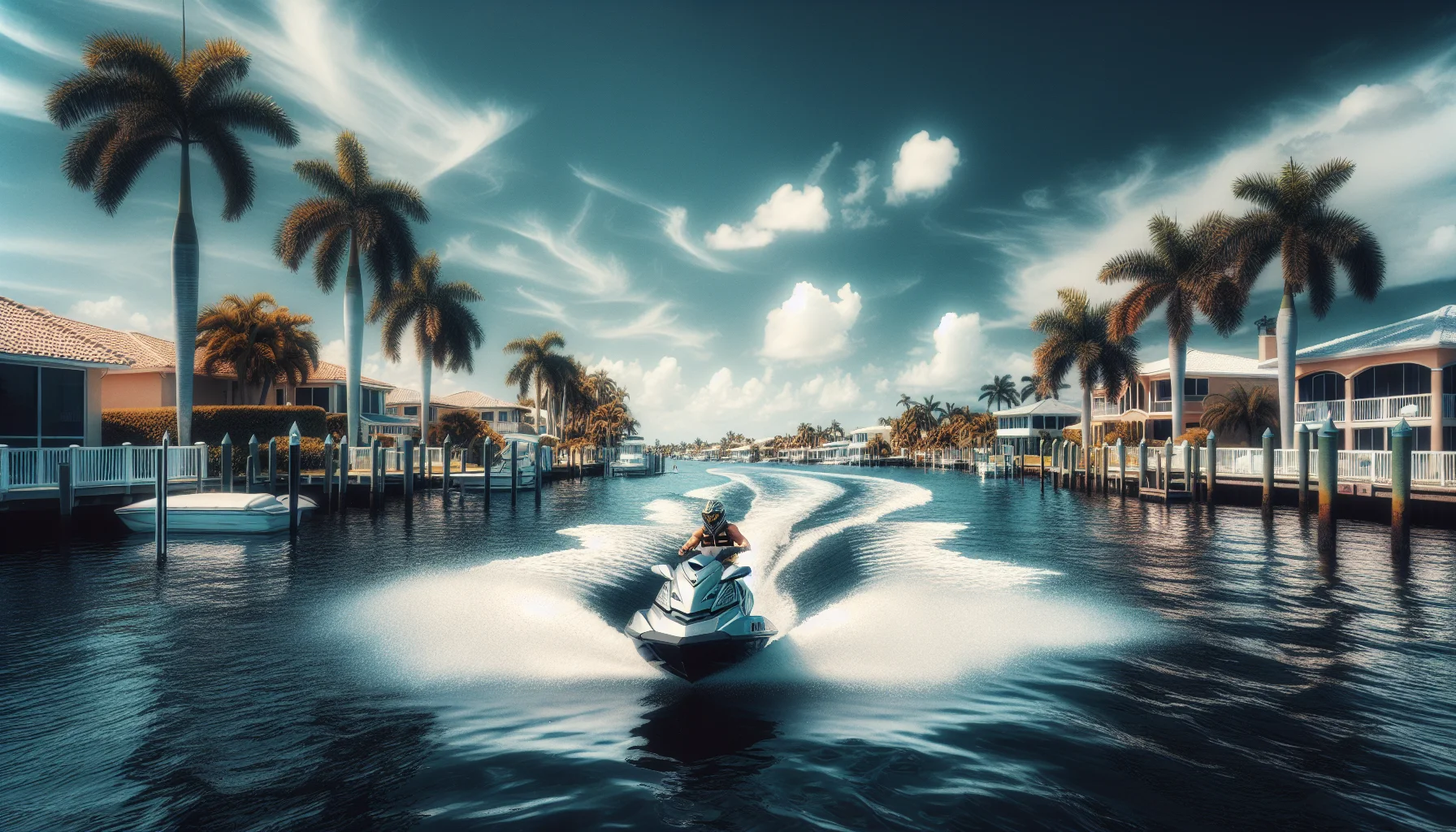
On Cape Coral's residential canals, the loudest complaints are wake and noise. Idle through the canals, keep music down as you pass homes, and save the throttle for open water. Because so many of the city's waterways are narrow and dock-lined, wake discipline matters even more; the same idle-speed habits that keep you popular in a canal are the ones covered in our guide to navigating Cape Coral's canal system.
Boat Ramp Manners
Cape Coral's public ramps, including the Yacht Club, Horton Park, and Four Freedoms Park, back up quickly on weekends, and ramp etiquette is really about doing your prep somewhere other than the ramp lane.
Before you launch:
- Load gear, remove tie-down straps, and install the drain plug in the staging area, not on the ramp.
- Have your crew and lines ready before you back down.
- Once the boat floats, get it off the ramp and to the courtesy dock so the next trailer can go.
When you retrieve:
- Stage away from the ramp, send the driver for the trailer, load, and pull clear before you strap down, unload, and wash off elsewhere.
- Aim to keep total time on the ramp itself to just a few minutes; everything else happens in the parking lot.
The mantra is simple: prep away, launch fast, clear the ramp, finish away.
VHF Radio and On-Water Communication
Clear radio work is a courtesy in itself because it keeps the airwaves usable for everyone. Reserve Channel 16 for hailing and emergencies, then move to a working channel to conduct your business. Identify your vessel clearly, keep transmissions short, confirm instructions back to the marina, and never use profanity on an open channel, especially in a distress or safety situation. If you're rusty on radio procedure, our VHF radio basics and Channel 16 etiquette guide is a good refresher before your next trip.
Handling Conflicts Gracefully
Even careful boaters run into disputes over dock space, wake damage, or noise. The recovery is almost always more important than the mistake.
- Stay calm and lower the temperature first. Most dock arguments escalate because both parties came in hot; a genuine apology defuses the majority of them.
- Document, don't shout. If there's real wake damage or a property issue, take photos and exchange information rather than trading insults.
- Use the staff. At a marina, the dockmaster is the right referee for slip and utility disputes. Let them mediate.
- Escalate only for real problems. Threats, criminal activity, or genuine safety hazards are the point at which you involve marina management or law enforcement, not a disagreement over who saw the slip first.
Etiquette isn't just courtesy; it dovetails with the rules of the road. Knowing who actually has right-of-way in a tight fairway prevents a lot of dock-mouth conflicts before they start, and our boat navigation and right-of-way guide breaks those rules down clearly.
Environmental and Wildlife Courtesy
Good marina behavior extends to the water itself. Never discharge waste at a dock; use the pump-out station. Contain any fuel spill immediately, notify staff, and deploy absorbents rather than hosing it off. Cape Coral's canals and river mouths are prime manatee habitat, so obey posted manatee and slow-speed zones near docks and basins, don't feed wildlife, and give any animal in the water a wide, slow berth. Protecting the resource is part of the same social contract as protecting your neighbor's gel coat.
Turning Good Manners Into a Boater Education Card
Everything in this guide, from setting a spring line to reading the current on approach to keeping a fuel dock moving, is exactly what Florida's mandatory boater education is designed to teach. The course covers docking and mooring, marina operations, navigation rules, and environmental responsibility, and it's the same knowledge that makes you both legal and easy to share a dock with.
The exam is 25 questions, you need 80% to pass, and you get unlimited retakes, so there's no reason to put it off. When you pass, you can print your temporary certificate right away and be legal on the water immediately. If Cape Coral is your home water, it's worth pairing your education card with our local guides to jet ski rentals in Cape Coral so you know both the rules and the ramps before you launch.
Start the state-standards online course - $12.99
Conclusion
Dock etiquette in Cape Coral comes down to a handful of habits: communicate before you commit, come in slow and plan for the current, set your spring lines, ask before you raft, share the fuel and restaurant docks, keep your wake and noise down in the canals, and clear the ramp fast. None of it requires special talent, only awareness and a little consideration for the people around you. Practice these courtesies consistently and you'll find the community returns the favor, offering you the help, the space, and the goodwill that make boating here a pleasure.
The foundation under all of it is real knowledge and a valid education card. Get both, and you'll be the boater everyone is glad to see coming down the fairway.
Get your state-standards online Florida boater card - $12.99