Why Cape Coral Is a Jet Ski Paradise
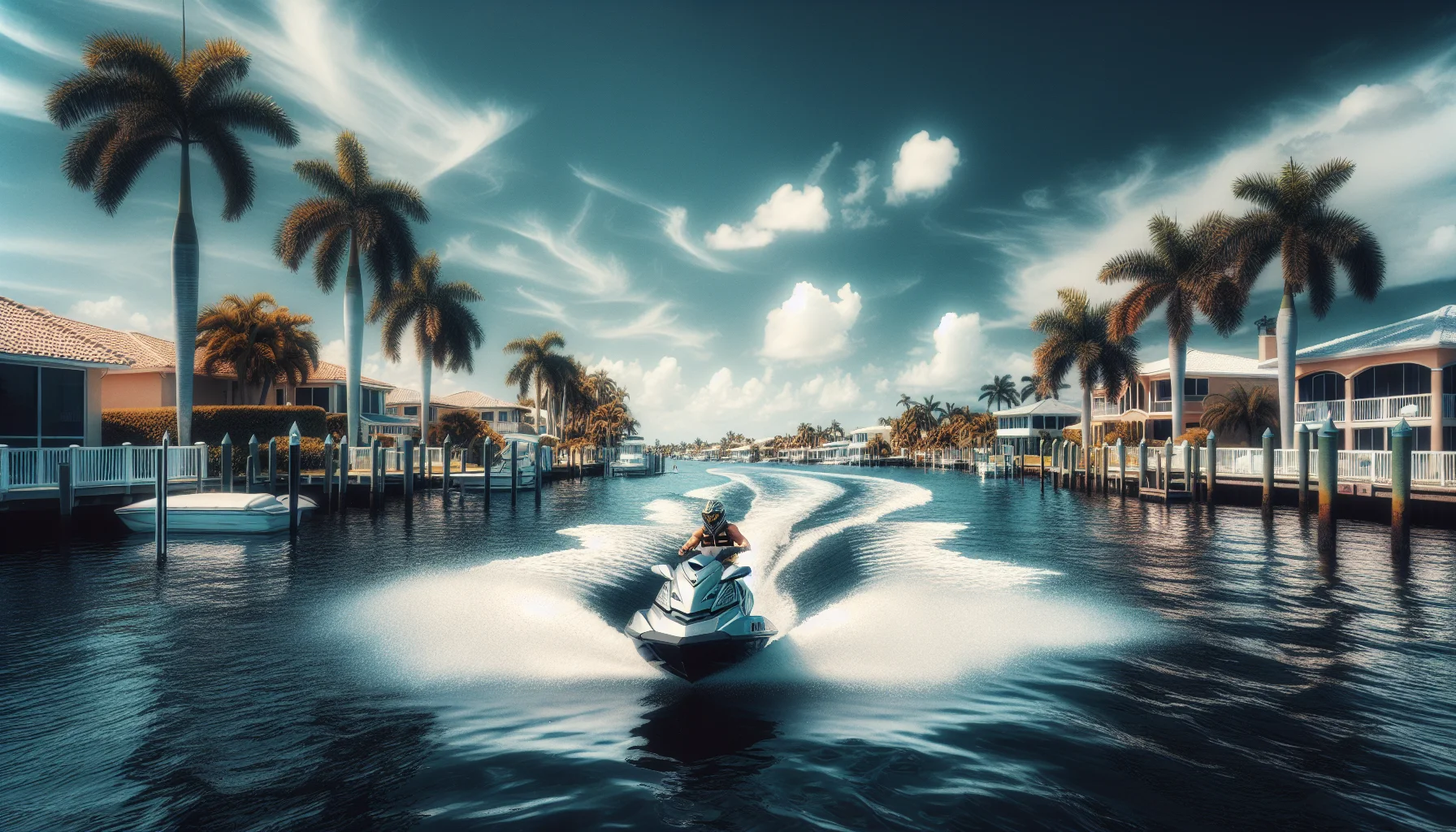
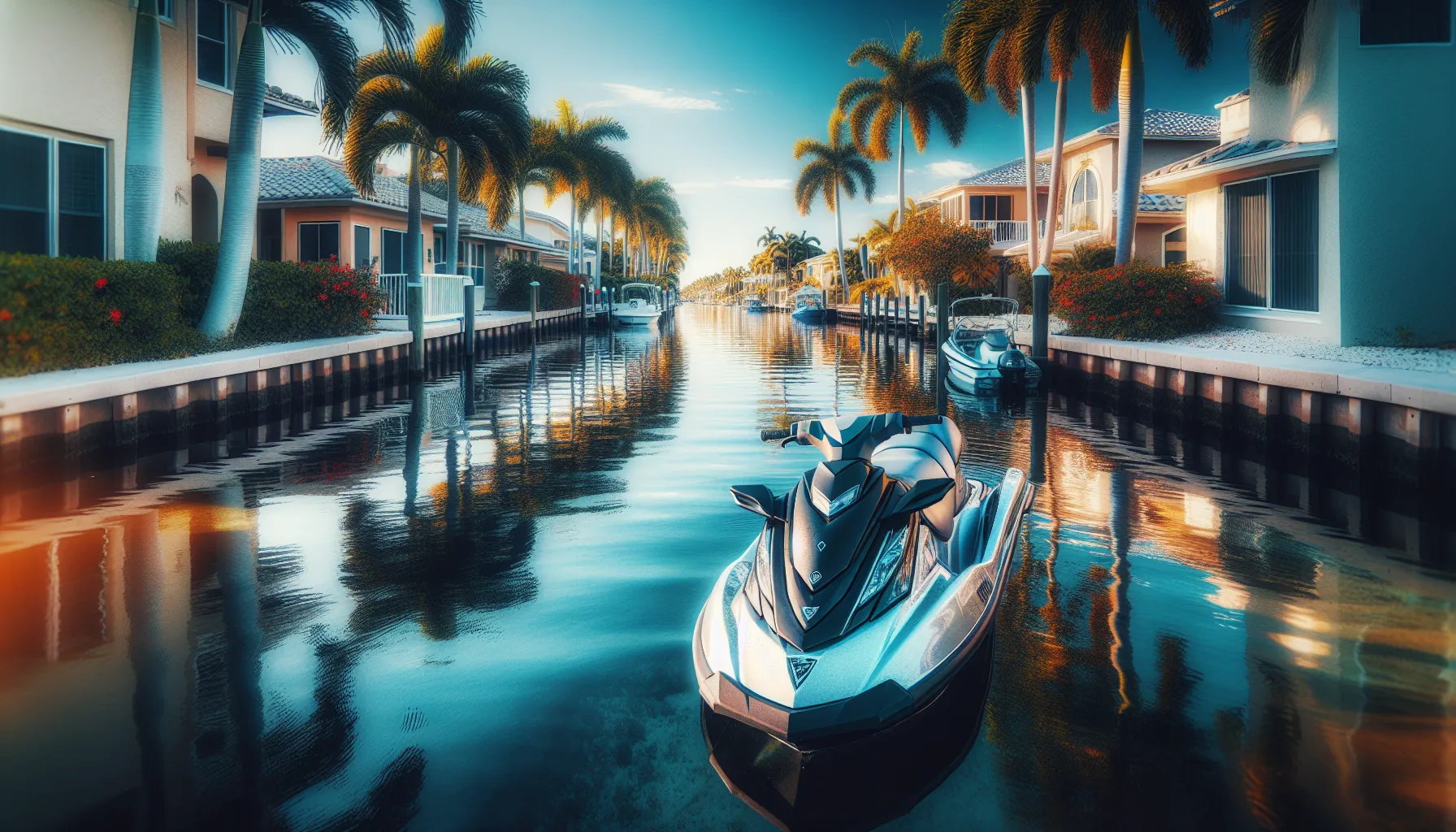
Cape Coral sits in Southwest Florida on the Caloosahatchee River, wrapped in more than 400 miles of navigable canals — the most extensive canal network of any city on earth. That geography is exactly why it has become one of the state's most rewarding places to ride a personal watercraft (PWC). You can spend a calm morning weaving through protected residential canals, then push out to the wide river, San Carlos Bay, and the open Gulf beyond in a single afternoon.
In this guide you'll learn where the best riding is around Cape Coral, what rentals realistically cost, the Florida laws that apply to every operator (including visitors), whether you need a boater education card before you launch, and how to stay safe on waterways shared with manatees, dolphins, and heavy boat traffic. Whether you're a vacationer or a Cape Coral local, the goal is simple: get you on the water legally, confidently, and safely.
Before you book anything, it's worth knowing that Florida treats a jet ski as a boat under the law. The same age rules, education requirements, and safety-equipment mandates that apply to a 20-foot center console apply to a rented WaveRunner. Understanding that up front saves you from an expensive citation — or worse — on day one.
Best Places to Ride a Jet Ski in Cape Coral
Cape Coral offers genuinely varied riding, from glass-calm canals to open bay water. Here are the standout areas and what each is good for.
Cape Coral Canal System
The city's signature waterway is its grid of freshwater and saltwater canals. These protected, largely no-wake corridors are ideal for beginners finding their balance and for anyone who wants a relaxed cruise past waterfront homes. Idle-speed and slow-speed zones are common here, so keep your throttle disciplined and watch for docked boats and swimmers.
Caloosahatchee River
The Caloosahatchee is the wide highway connecting Cape Coral to Fort Myers and, ultimately, the Gulf. It carries commercial and recreational traffic, so it rewards riders who are comfortable reading channel markers and holding a line. Stay in the appropriate lane, avoid cutting across bows, and give larger vessels a wide berth — their wakes are no joke.
San Carlos Bay and the Sanibel Causeway
South toward Fort Myers Beach, San Carlos Bay opens into broad, typically calm water with island views and the Sanibel Causeway in the distance. It's a favorite for longer, faster rides once you've cleared the no-wake zones near shore.
Matlacha Pass and Pine Island
North of the Cape, Matlacha Pass runs past the artsy fishing village of Matlacha toward Pine Island. It's a shallow, wildlife-rich area where dolphins are common — beautiful, but a place to slow down and respect seagrass flats and posted zones.
Charlotte Harbor Connection
Head north toward Punta Gorda and you reach the vast, less-developed Charlotte Harbor system — outstanding for extended adventures in natural Florida. If you're drawn that direction, our Punta Gorda jet ski rental guide covers the harbor in detail.
For your first outing, a guided tour is the fastest way to learn the local channels and zone boundaries before you explore on your own. Cape Coral's canal maze in particular is easy to get turned around in — even experienced riders use GPS.
What Jet Ski Rentals Cost in Cape Coral
Rental pricing varies with watercraft type, season, and whether you book a guided tour or a freestyle rental. Rather than quote exact figures that shift constantly, here's how to think about cost so you can budget and compare quotes intelligently:
- Shorter rentals cost more per minute. A 30-minute spin has a high hourly-equivalent rate; multi-hour and full-day rentals almost always deliver better value per hour.
- Peak season carries a premium. Spring break, holiday weekends, and the summer high season push prices up and availability down. Booking ahead matters most then.
- Guided tours cost more than freestyle rentals because you're paying for a guide, a briefing, and a curated route — often including wildlife viewing.
- Expect a security deposit or damage waiver. Most liveries require a refundable hold or an optional damage waiver; read what it covers before you sign.
- Fuel and taxes may be extra. Confirm whether the quoted price includes fuel, tax, and any launch or fuel surcharge.
When you call around, ask for the all-in price for your exact duration, the deposit amount, the age and license requirements, and the cancellation policy for weather. That five-minute conversation prevents surprises at the dock.
Florida Jet Ski Laws Every Rider Must Know
These rules apply everywhere in Florida, Cape Coral included, and the Florida Fish and Wildlife Conservation Commission (FWC) enforces them on the water. Rental operators are required to review the essentials with you, but you're the one who is legally responsible once you're aboard.
Minimum Operating Age
You must be at least 14 years old to operate a PWC in Florida — there is no exception for adult supervision. Many rental companies set their own higher minimum (often 18) to rent a machine, even though the state's operating floor is 14.
Boater Education Card
Anyone born on or after January 1, 1988 must carry a Boating Safety Education ID Card, plus a photo ID, to operate any vessel of 10 horsepower or more — which includes every rental jet ski. This applies to residents and out-of-state visitors alike. The card doesn't expire and is honored across states through NASBLA reciprocity.
Operating Hours
A PWC may not be operated from half an hour after sunset to half an hour before sunrise, even if the machine has lights. Plan your ride to be off the water before dusk.
Engine Cut-Off Lanyard
The engine cut-off switch lanyard must be attached to the operator (wrist or life jacket) whenever the PWC is underway. If you come off, the engine stops — which is the entire point.
Life Jackets
Everyone aboard a PWC must wear a Coast Guard-approved life jacket — not just have one on board. On a vessel under 26 feet that's underway, any child under 6 must wear a PFD at all times. For the full breakdown, see our guide to Florida life jacket requirements.
No Reckless Operation
Weaving through congested traffic, jumping a boat's wake too closely, spraying other vessels, and other reckless maneuvers are specifically illegal on a PWC. Ride predictably and give people space.
Boating Under the Influence
Operating a PWC with a blood-alcohol concentration of 0.08 or higher is BUI — the same threshold as driving, and it drops to 0.02 for operators under 21. Enforcement on Southwest Florida waters is active, especially on holiday weekends.
For a deeper dive into age, hours, and PWC-specific rules, read our complete guide to Florida jet ski and PWC laws.
Do You Need a License to Rent a Jet Ski in Cape Coral?
Florida doesn't issue a "boating license" in the driver's-license sense. What the law requires is the Boating Safety Education ID Card, and whether you need one comes down to your birth date: if you were born on or after January 1, 1988, you must have it to legally operate a rental jet ski in Cape Coral or anywhere else in the state.
The card is earned by completing a state-standards online boating safety course and passing the exam. You can do the entire thing online, at your own pace, before you ever arrive. The exam is 25 questions, you need 80% to pass, and retakes are unlimited — so there's no pressure to cram.
Here's what trips people up: some visitors assume the rental shop will "cover it" or issue a temporary permit. Florida does allow certain temporary certificate options in limited cases, but relying on that at the counter is a gamble that can cost you your reservation. The reliable move is to get certified in advance so your card is in hand.
Our state-standards online Florida boating safety course is built exactly for this — you finish online, print your temporary certificate immediately, and you're legal to ride. If you're weighing all the requirements, our Florida boating license requirements guide walks through every detail.
Best Time of Year to Ride in Cape Coral
Cape Coral is rideable year-round, but each season has trade-offs.
Spring and Summer (Peak Season)
Warm air and water, long daylight, and the busiest rental calendar. Book well ahead, expect higher prices around spring break and holidays, and plan your ride for the morning — afternoon thunderstorms are common in the summer and can build fast.
Fall (Shoulder Season)
Fewer crowds and often better rental deals, with water still warm enough for comfortable riding. This is peak Atlantic hurricane season, so watch forecasts closely and stay flexible with your dates.
Winter (Locals' Favorite)
Cooler but frequently pleasant, with the lightest crowds and the best pricing. Water temperatures dip into the 60s, so a rash guard or wetsuit top adds comfort. This is also when manatees congregate in warmer waters, which makes wildlife awareness especially important.
Whatever the season, check the marine forecast the morning of your ride, not just the day before. Southwest Florida weather changes quickly.
Staying Safe on Cape Coral's Waterways
Cape Coral's mix of tight canals, open bay, and heavy traffic means safety comes down to awareness and courtesy.
- Respect manatee zones. Southwest Florida is prime manatee habitat, and posted slow-speed and no-wake zones exist to protect them. Learn to spot a snout or a swirl of water, and never chase wildlife. Our guide to Florida manatee zones and speed regulations explains where and why to slow down.
- Know the channel markers. Stay inside marked channels in unfamiliar water and understand red-right-returning before you leave the dock. The Caloosahatchee and its passes have real shoaling.
- Watch boat traffic. Give sailboats, commercial vessels, and larger powerboats room, and cross wakes at an angle at a controlled speed.
- Mind the weather. If you see a storm building, head in early. Lightning and open water don't mix.
- Carry a sound-producing device (whistle or horn) and know how to signal for help.
- Hydrate and protect your skin. The Florida sun is intense — reef-safe sunscreen, sunglasses on a strap, and water are non-negotiable.
If you know you'll be sharing water with paddlers and slower craft in the canals, brush up on right-of-way; the principles in our jet ski vs. kayak right-of-way guide apply directly to Cape Coral's protected waters.
Guided Tours vs. Freestyle Rentals
Choosing the right rental format makes a big difference in how much you enjoy the day.
Guided Jet Ski Tours
Best for first-timers, visitors, and anyone without local navigation experience. A professional guide handles the route, points out wildlife, delivers the safety briefing, and keeps the group inside legal zones. Tours typically run one to two hours and take the guesswork out of Cape Coral's confusing canal grid.
Freestyle Rentals
Best for experienced riders and locals who know the water. You get freedom to explore at your own pace and usually a better hourly rate on longer rentals. You'll still need a valid boater education card if you were born after January 1, 1988, and you must stay within the operator's designated riding area. If you're comfortable reading markers and managing your own safety, freestyle is the way to roam.
A practical middle path: take a guided tour on your first day to learn the waterways, then book a freestyle rental later in your trip once you know the lay of the land.
What to Bring on Your Cape Coral Jet Ski Adventure
Pack light, but don't skip the essentials.
Bring:
- A valid photo ID (driver's license)
- Your Boating Safety Education ID Card, if you were born on or after January 1, 1988
- Reef-safe sunscreen (reapply after every water break)
- Sunglasses with a retainer strap
- A waterproof phone case or pouch
- A towel and a dry change of clothes
Nice to have:
- A waterproof action camera
- Water shoes for launch areas
- A rash guard for sun and wind protection
- Cash for a guide gratuity on tours
Leave anything you can't afford to lose or get wet back at the hotel. Even sealed pouches take a beating on a fast ride.
Final Prep: Ride Cape Coral Legally and Confidently
Cape Coral packs an extraordinary amount of variety into one destination — 400 miles of canals, a working river, calm bays, and Gulf access, all within reach of a single rental. The difference between a great day and an expensive one usually comes down to preparation.
Before you go:
- Confirm whether you need a boater education card (born on or after January 1, 1988 = yes) and get certified in advance.
- Book your rental ahead during peak season and confirm the all-in price and deposit.
- Check the marine forecast the morning of your ride.
- Review local no-wake, manatee, and channel zones for the areas you'll ride.
- Pack your ID, card, sunscreen, and water.
The single most important step is the one you can knock out from your couch today: get your card so you're legal at the dock. Our course is state-standards online, entirely online, and built to be finished in an afternoon — with a 25-question exam, an 80% passing score, and unlimited retakes.
Start the state-standards online course - $12.99
Get certified, get out on the water, and enjoy everything Cape Coral has to offer — safely.