Punta Gorda sits at the top of Charlotte Harbor, Florida's second-largest estuary, where the Peace and Myakka rivers empty into a wide, sheltered bay on the state's Gulf coast. That geography makes it one of the calmest, most beginner-friendly places to ride a personal watercraft (PWC) anywhere in Southwest Florida. This guide walks you through where to ride, what a rental realistically costs, the exact Florida laws that apply to you, how to share the water with manatees and dolphins, and the one credential most riders are legally required to carry before the throttle even moves.
Why Punta Gorda Is a Premier Jet Ski Destination
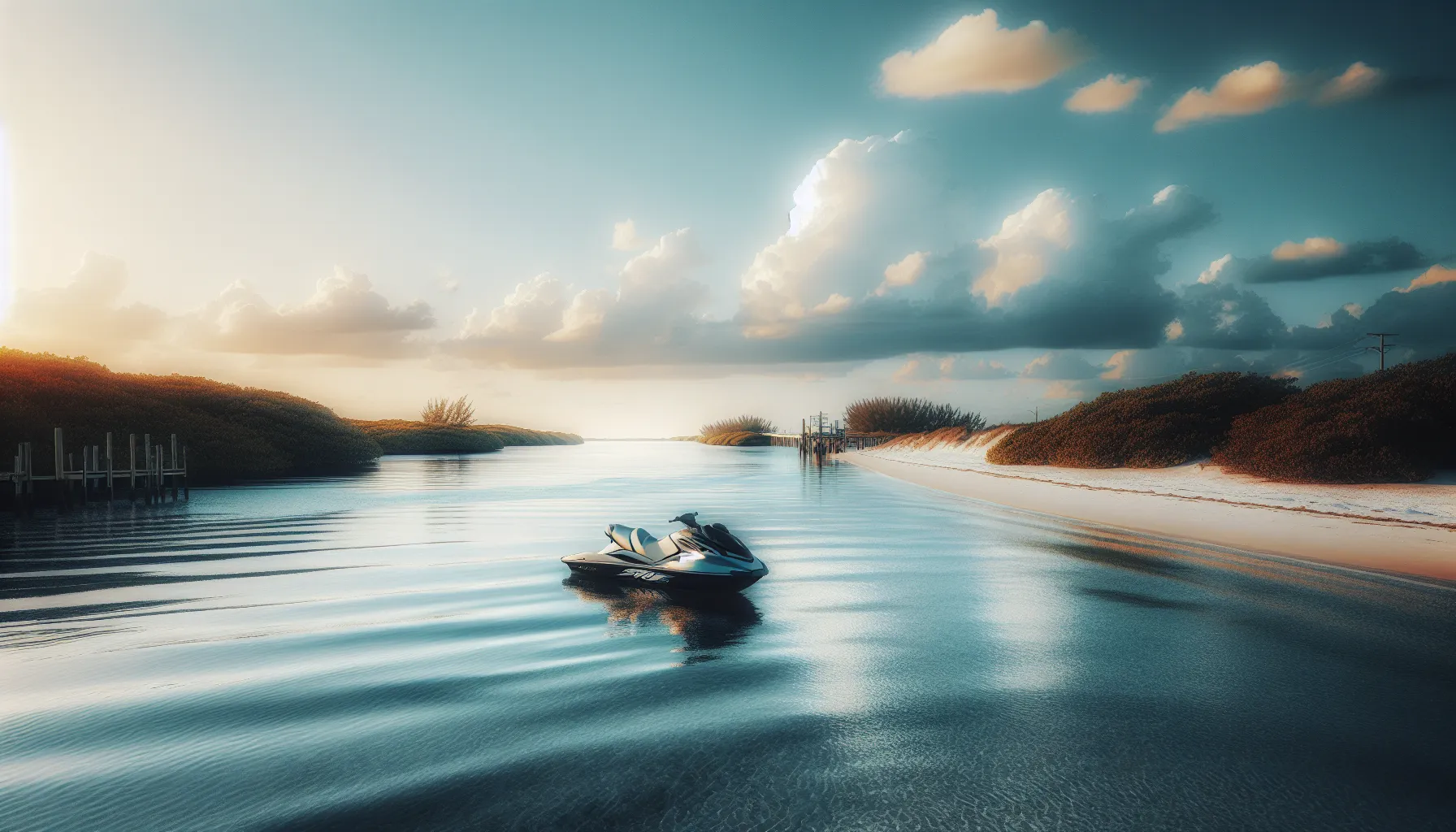
Charlotte Harbor spans roughly 270 square miles of protected water, and because barrier islands and Cape Haze shelter it from open Gulf swell, conditions here are usually flatter and more forgiving than exposed coastal spots like Miami Beach or Clearwater. For a first-time rider, that matters: fewer breaking waves, less boat congestion than the state's east-coast inlets, and long sightlines that make it easy to spot other traffic early.
The area is also an Aquatic Preserve and part of the National Estuary Program, so the wildlife is genuinely spectacular. Bottlenose dolphins, manatees, ospreys, and wading birds are routine sightings. That richness comes with responsibility, though. Much of the harbor is designated slow-speed or idle-speed for manatee protection, and riding here means knowing those zones cold before you launch.
Where to Ride: The Best Waters Around Punta Gorda
Charlotte Harbor Main Body
The open harbor is the headline attraction: massive, protected, and usually calm. It gives newer riders room to build confidence without the wake chaos of a crowded inlet. Stay aware of marked channels used by larger vessels, and give sailboats and slow-moving craft a wide berth.
Peace River Mouth
Where the Peace River meets the harbor you get scenic, wildlife-rich water with generally mild conditions. This stretch holds manatee and dolphin activity, so treat posted speed zones as non-negotiable rather than suggestions.
Burnt Store Marina Area
On the harbor's northwest side, Burnt Store offers full marina facilities and a long, calm canal approach that is ideal for launching and getting your bearings before you head into open water.
Punta Gorda Waterfront and Fishermen's Village
The historic downtown waterfront is walkable, lively, and close to dining, but it also carries the most boat traffic. Keep to idle speed near docks and moored vessels and stay outside congested basins.
Shell Creek, Alligator Creek, and the Backwaters
These mangrove-lined creek systems are quiet, glassy, and full of wildlife. They are also freshwater-influenced areas where alligators live, and they include manatee zones, so ride slowly, keep your distance from wildlife, and never chase or corner an animal.
For a deeper look at how to ride these habitats without harming them, see our companion piece on jet skiing Punta Gorda's wildlife protection zones responsibly. If you want to extend your range south, the neighboring canal network is covered in our guide to navigating Cape Coral's 400-mile canal system by jet ski.
What Jet Ski Rentals Cost in Punta Gorda
Pricing varies by operator, season, watercraft model, and whether you book a guided tour or a freestyle rental. The ranges below reflect typical Southwest Florida rates rather than any single company's quote, and holiday weekends and peak summer months trend toward the higher end.
| Duration | Typical Range |
|---|---|
| 30 minutes | Introductory / short spins |
| 1 hour | Most common single-ski booking |
| 2 hours | Popular for couples and tours |
| Half day (about 4 hours) | Better per-hour value |
| Full day (about 8 hours) | Best value for experienced riders |
A few things worth confirming before you pay:
- Fuel policy. Some rentals include fuel; others charge for what you burn.
- Security deposit and damage waiver. Ask what the deposit is and exactly what the waiver does and does not cover.
- Minimum age to rent. Many operators require renters to be 18 or older even though Florida's minimum operating age is 14.
- Riding boundaries. Freestyle rentals almost always restrict you to a defined area; going outside it can void coverage.
Because rental damage disputes are common, it is worth understanding how coverage actually works. Our breakdown of what jet ski rental insurance really covers explains the gaps most riders discover only after an incident.
Florida Jet Ski Laws Every Rider Must Know
Florida enforces the same PWC rules statewide through the Fish and Wildlife Conservation Commission (FWC), and Punta Gorda is no exception. These are the ones that catch renters off guard.
Education Card Requirement
Anyone born on or after January 1, 1988 must complete an approved boating safety course and carry a Boating Safety Education ID Card to operate a vessel of 10 horsepower or more, including any jet ski. This applies to residents and visitors alike, and rental operators are required to check it. There is no age ceiling on the requirement.
Minimum Operating Age
You must be at least 14 years old to operate a PWC in Florida. There is no exception for adult supervision. A 13-year-old cannot legally drive a jet ski even with a parent riding along. For a full breakdown of how age rules apply to teens, our guide to Florida jet ski and PWC age requirements covers the details.
Daylight-Only Operation
PWCs may only be operated from a half-hour before sunrise to a half-hour after sunset. Night operation of a personal watercraft is prohibited statewide, regardless of how well the vessel is lit.
Engine Cut-Off Lanyard
The engine cut-off switch lanyard must be attached to the operator (wrist or PFD) whenever the PWC is underway. If you come off, the engine stops, which prevents a runaway ski from circling back.
Life Jackets
Every person aboard a PWC must wear a U.S. Coast Guard-approved life jacket. Unlike on many larger boats, it is not enough to have one on board; on a jet ski it must be worn at all times. Children under six must wear a PFD on any vessel under 26 feet while underway. See our full Florida life jacket requirements guide for the specifics.
Sound Signal and Reckless Operation
Carry a sound-producing device such as a whistle. Weaving through congested traffic, jumping another vessel's wake within 100 feet, and spraying people or property all qualify as reckless operation, which is prosecuted aggressively.
Boating Under the Influence
Operating any vessel with a blood-alcohol content of 0.08 or higher is a crime in Florida, and the limit is 0.02 for operators under 21. BUI carries penalties comparable to a highway DUI. Read more in our Florida BUI laws guide.
Divers-Down Flags
If you see a red-and-white divers-down flag, keep your distance: roughly 300 feet in open water and 100 feet in rivers, inlets, and navigation channels. Slow to idle speed if you must pass closer.
Protecting Manatees and Wildlife in Charlotte Harbor
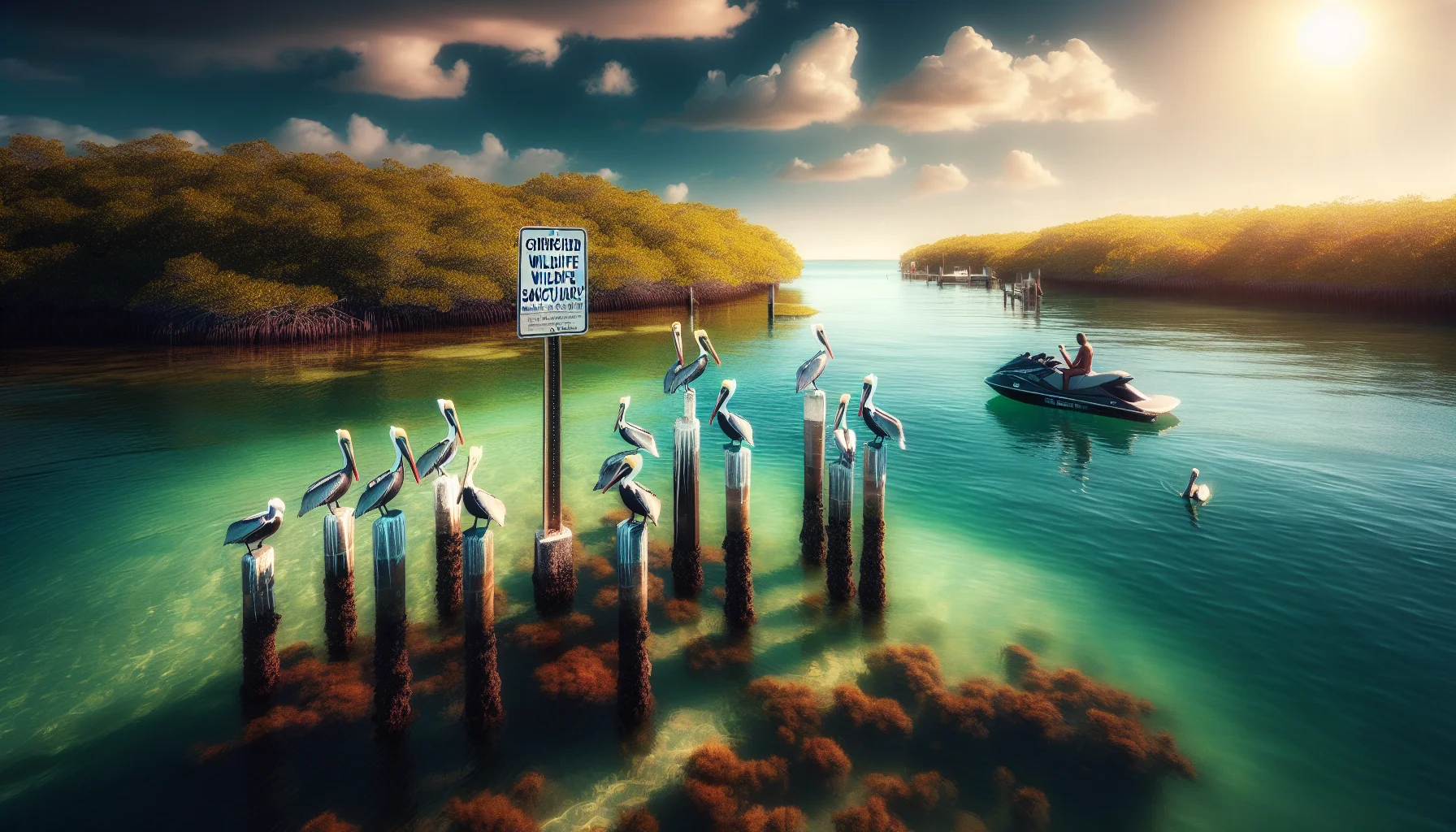
Charlotte Harbor is core manatee habitat, and much of it is posted as slow-speed or idle-speed zone, seasonally or year-round. These zones exist because propeller strikes are a leading cause of manatee deaths in Florida, and PWCs riding at speed in shallow water are a real threat to animals that surface to breathe.
Practical rules for riding here:
- Obey every posted speed sign, even when the water looks empty. Manatees are hard to see below a glassy surface.
- Watch for "footprints" on the surface, the swirl a manatee's tail leaves as it moves, and for snouts breaking the water.
- Never approach, chase, or feed wildlife. Give animals room and let them set the distance.
- Stay in deeper marked channels where practical to avoid startling animals in the shallows.
Our detailed local guide, jet skiing Punta Gorda's wildlife protection zones responsibly, maps out where the sensitive areas are, and the statewide manatee zones and speed regulations article explains how the zones are classified and enforced.
Reading the Weather: Storms, Seasons, and Hurricane Awareness
Afternoon Thunderstorms
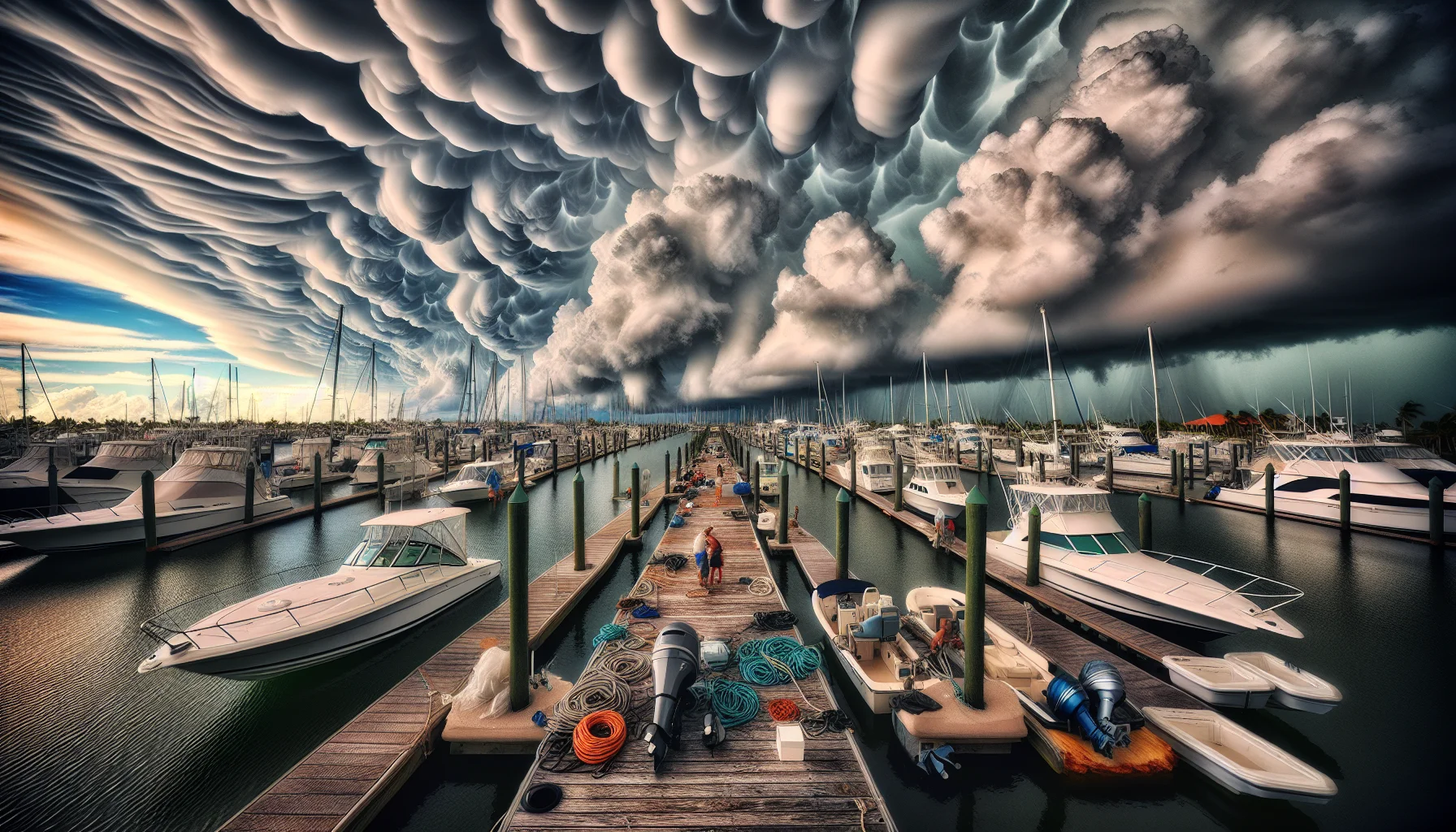
From roughly June through September, Southwest Florida builds fast-moving afternoon thunderstorms almost daily. These storms bring lightning, sudden wind, and drenching rain, and they can form in under an hour. The smart move is to ride in the morning and be off the water by early afternoon. If you hear thunder, get in; there is no safe place to be on open water during lightning.
Seasonal Conditions
- Spring (March to May): Warm, comparatively dry, and among the most reliable riding conditions of the year.
- Summer (June to August): Warmest water but the highest storm risk; ride early.
- Fall (September to November): Fewer crowds and good deals, but this overlaps peak hurricane season, so watch the tropics.
- Winter (December to February): Cooler water and air, minimal crowds, and the calmest tourist traffic. A wetsuit or rash guard adds comfort on cool days.
Hurricane Season
Atlantic hurricane season runs June 1 through November 30, and Punta Gorda has a hard-earned respect for storms. If a system is anywhere in the forecast cone, rentals may pause and conditions can deteriorate quickly. Boat owners in the area should review our hurricane prep guide for Punta Gorda boats well before any threat appears.
Guided Tours vs. Freestyle Rentals
Guided Tours
A guided tour is the right call for first-timers and visitors. A licensed guide handles navigation, keeps you clear of hazards and protected zones, points out wildlife, and delivers a safety briefing before you launch. You trade some freedom for a lot of local knowledge, which is a good deal when you do not know the water.
Freestyle Rentals
Freestyle rentals suit experienced riders who understand navigation and Florida law. You get to explore at your own pace, usually at better per-hour value on longer bookings. The tradeoffs: you are responsible for staying inside the permitted riding area, reading the weather yourself, and complying with every speed zone. If you were born on or after January 1, 1988, you will need your education card in hand to rent one.
Your Pre-Ride Safety Checklist
Run through this before every ride:
- Life jacket on and buckled for every rider, correctly sized.
- Engine cut-off lanyard clipped to your wrist or PFD.
- Education card and photo ID on you (in a waterproof pouch).
- Weather checked for the next few hours, not just the current sky.
- Fuel level confirmed and range understood before you head out.
- Riding boundaries and speed zones reviewed with the operator.
- Sun protection: reef-safe sunscreen, polarized sunglasses on a strap, and water to stay hydrated.
- A charged phone in a waterproof case for emergencies.
Learning to read the water is a skill in itself. Our guides to Florida channel markers and navigation aids and boat navigation rules and right-of-way will help you interpret what you are seeing out on Charlotte Harbor.
Getting Your Florida Boating License Before You Ride
Here is the credential most renters overlook until they are standing at the rental counter: if you were born on or after January 1, 1988, Florida law requires you to hold a Boating Safety Education ID Card before you can legally operate that jet ski. It is not optional, and rental companies are required to verify it.
The good news is that the card is straightforward to earn. Florida accepts courses approved by the FWC and the National Association of State Boating Law Administrators (NASBLA), and you can complete the whole thing online, at your own pace, from your phone or laptop. Our Florida boating safety course covers exactly what you need:
- Florida boating laws and PWC-specific rules
- Navigation, channel markers, and right-of-way
- Required safety equipment and how to use it
- Manatee and wildlife protection zones
- Emergency and breakdown procedures
The course ends with a 25-question exam that requires 80% to pass, and you get unlimited retakes at no extra charge. Pass it and you can print a temporary certificate immediately, which means you can be legal before your trip even if you are booking a rental for tomorrow. For a complete walkthrough of the process, timelines, and who is exempt, see our Florida boating license requirements guide or get your Florida boating license online today.
Start the state-standards online course - $12.99
Conclusion
Punta Gorda is one of the best places in Florida to learn to love a jet ski: sheltered water, extraordinary wildlife, and none of the wall-to-wall congestion of the state's busiest inlets. Ride it well and it will reward you, but that means respecting the manatee zones, watching the afternoon sky, wearing your life jacket, and, above all, carrying the education card the law requires. Get that credential squared away first and everything else about your trip gets simpler.
Do not let a missing card end your day at the rental counter. Get certified online, at your own pace, with unlimited retakes.