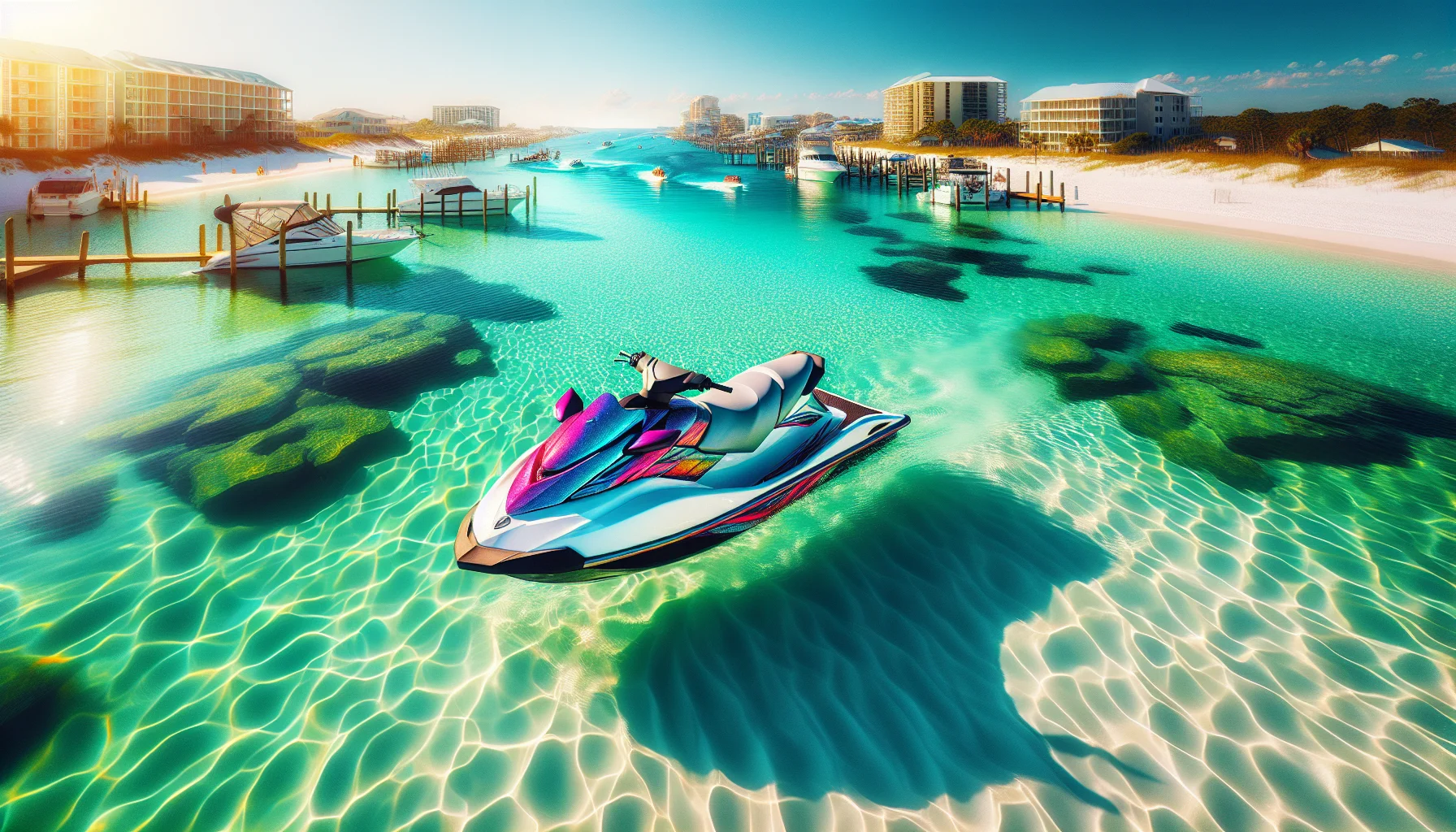
Your teens are staring at Destin's emerald water and begging for a jet ski. Before you hand over a credit card at the rental dock, you need to know exactly what Florida law allows, because the rules for personal watercraft are stricter than the rules for regular boats. This guide walks through the minimum operating age in Destin, who is required to carry a boating safety education card, how rental company age limits work, and the simple steps to get a teen legally certified before you ever leave home. Get this right and your family avoids a ruined vacation morning, a citation from the FWC, or worse.
What Florida Law Says About Jet Ski Age in Destin
Destin sits in Okaloosa County on Florida's Emerald Coast, but the age rules there are not local ordinances. They come from the Florida Fish and Wildlife Conservation Commission (FWC), which regulates every personal watercraft (PWC) in the state. That means a WaveRunner in Destin Harbor follows the same statewide law as a Sea-Doo in Miami or a jet ski in Tampa Bay.
Two separate legal requirements decide whether a young person can legally operate a jet ski:
- A minimum operating age of 14. No one younger may run a PWC, period.
- A boating safety education card for anyone born on or after January 1, 1988, who operates a vessel of 10 horsepower or more, which every jet ski easily exceeds.
Because Florida's education-card cutoff is a birth year, not a boat type, the rule sweeps in essentially every teenager and most younger adults. A 15-year-old and a 35-year-old both need the same card. The card is not a "kids only" requirement, and it is not a driver's license substitute; it is proof you passed a state-standards online boating safety course.
If you want the statewide picture beyond Destin, our companion guide to Florida jet ski and PWC laws breaks down operating hours, wake rules, and equipment in one place.
The Age 14 Rule for Personal Watercraft
In Florida, you must be at least 14 years old to operate a personal watercraft. This is one of the clearest, most heavily enforced rules on the water, and it has no exceptions.
There are no workarounds
Parents often ask whether the age 14 rule bends under certain conditions. It does not. A person under 14 may not operate a jet ski in Destin even when:
- A parent or adult is riding on the same PWC.
- The water is calm and the harbor is empty.
- The child has ridden jet skis before, including in another state.
- The family owns the watercraft and is on private property.
A 13-year-old can ride all day as a passenger with a qualified adult at the controls, but the moment that child takes the handlebars, the operation becomes illegal. It is also unlawful to knowingly allow an underage person to operate your PWC, so the adult who hands over the controls carries responsibility too.
Why PWCs are treated more strictly than boats
Florida law is genuinely different for jet skis than for other vessels. A younger person may, in some cases, operate a low-horsepower boat under supervision, but the PWC age floor of 14 is absolute. Regulators set it there because personal watercraft accelerate hard, have no brakes, steer only under throttle, and are involved in a disproportionate share of collisions relative to their size. In Destin's crowded summer waters, that combination is unforgiving for an inexperienced operator.
Who Needs a Boating Safety Education Card
The single most common misunderstanding at Destin rental docks is the birth-year rule. Here is the plain version:
If you were born on or after January 1, 1988, you must complete a state-standards online boating safety course and carry the resulting education card to operate a jet ski.
That card requirement applies to a certified 14-year-old and to an adult in their thirties alike. When you are on the water, you must have the card in your possession along with a photo ID, and you must show both to a law enforcement officer on request.
A few important clarifications:
- The card never expires. Once a teen earns it, it is good for life in Florida.
- It is honored across states. Florida accepts education cards from other states and Canadian provinces that meet the national NASBLA standard, and other states generally honor Florida's card in return, which matters if your family boats elsewhere.
- A driver's license is not a substitute. Neither is a fishing license or a passenger's presence on board.
If you want the full statewide requirements, deadlines, and card-carrying details, see our Florida boating license requirements guide. For the fastest path, you can also just get your Florida boating license online through the approved course.
How Teens Get Certified Online Before the Trip
The smartest move a Destin-bound family can make is to have every eligible rider complete the boating safety course before vacation. Excited teens and a study module do not mix well on day one of a beach trip.
What the course covers
An FWC-approved online course teaches the material a young operator actually needs on Destin's water, including:
- Personal watercraft handling, steering-under-throttle, and the engine cut-off switch.
- Right-of-way and navigation rules, so a teen knows what to do when a tour boat approaches.
- Required safety equipment and life jacket rules.
- Florida-specific laws, including operating hours and protected zones.
- Emergency and capsize procedures.
The exam and pass requirements
The final exam is 25 questions, and you need 80% to pass. The course includes unlimited retakes, so a nervous first-timer is never locked out; they simply review and try again. Most students finish the full course comfortably in an afternoon, working at their own pace and saving progress along the way. When a teen passes, they can typically print a temporary certificate right away, which is enough to rent and ride while the permanent card is processed.
Why doing it early pays off
Completing certification before the trip means no rental-morning scramble, no lost beach hours, and a calmer, better-prepared young rider. It also gives a parent a chance to sit alongside and reinforce the safety lessons. When you are ready, you can start the state-standards online course - $12.99 and have your teen certified before the bags are even packed.
Destin Rental Company Age Policies
Here is where families get tripped up: state law and rental-company policy are two different bars, and you have to clear both.
The state rental floor is 18
Under Florida law, a livery (rental) business may not rent or lease a personal watercraft to anyone under 18 years old. So even a fully certified 14-, 15-, 16-, or 17-year-old cannot personally sign a jet ski rental contract in Destin. That does not mean a certified teen cannot ride; it means the adult rents the watercraft, and the certified teen operates it under the terms the livery allows.
Individual companies set the bar higher
On top of the statutory floor, most Destin operators add their own, stricter rules driven by insurance and liability. It is common to see rental companies require the renting party to be 21 or older, demand a major credit card and government photo ID, and require every operator to sit through a mandatory on-site safety briefing regardless of certification. Some liveries set their own minimum operator age above the state's 14.
Because these policies vary from dock to dock and change with insurance carriers, call ahead and confirm the specific company's operator and renter age rules before you book. Ask three questions: What is your minimum operator age? What is your minimum renter age? Do certified 14 to 17 year-olds ride under a parent's rental? For a broader look at booking in the area, our Destin jet ski rentals guide covers what to expect at the dock.
Supervision and Passenger Rules for Kids
Age rules are only half the picture. Florida also has clear passenger and life jacket requirements that apply to every jet ski in Destin.
Kids as passengers
A child under 14 may ride as a passenger while a qualified adult operates. There is no minimum passenger age in state law, but common sense, the rental company's rules, and the child's swimming ability all matter. A jet ski passenger is exposed to spray, wave impact, and the risk of being thrown off, so young children should ride only in calm, protected water at slow speed.
Life jacket law
Every person on a personal watercraft in Florida must wear a Coast Guard-approved life jacket at all times. Water-ski belts do not count. In addition, any child under 6 must wear a proper PFD while on a vessel under 26 feet that is underway, which covers essentially every jet ski. Impact-rated vests sized to the child add real protection on choppy Gulf water. Our Florida life jacket requirements guide explains approved types and fit.
The engine cut-off switch
Florida requires the operator to attach the engine cut-off lanyard (or wear the wireless cut-off device) whenever the PWC is running. If the rider falls off, the engine stops and the machine does not circle back or run away. For a teen operator, clipping that lanyard should be as automatic as buckling a seatbelt.
Destin Waters: What Makes Them Challenging for Young Riders
A certified 14-year-old is legal, but "legal" and "ready" are not the same thing. Destin's specific conditions demand respect, and a parent should weigh them honestly.
Gulf conditions differ from a lake
Many families learn to ride on protected inland lakes. Destin adds saltwater spray that stings the eyes, larger and less predictable swells off the pass, wind that pushes a light PWC around, and currents that a first-timer will not anticipate. A rider comfortable on a glassy lake can be overwhelmed the first time a boat wake rolls through.
Traffic density
In summer and on holiday weekends, Destin Harbor and the water around the East Pass fill with fishing charters, dolphin cruises, tour boats, and other rental jet skis, many operated by inexperienced tourists. Reading traffic, judging closing speed, and knowing the right-of-way rules become essential survival skills, not academic ones.
The East Pass and open Gulf
The East Pass, where Choctawhatchee Bay meets the Gulf, carries strong tidal currents and commercial traffic and is not a place for a novice teen. The open Gulf offers no landmarks, changing conditions, and real isolation risk. Keep new riders in sheltered water until their confidence and control are proven.
Safe Riding Areas and Timing for Teens
Set your young rider up for success by controlling where and when they ride.
Choose protected water first
Sheltered stretches of Choctawhatchee Bay and the calmer, no-wake sections of Destin Harbor give a new operator room to build skill without Gulf swells or heavy traffic. Start with short sessions, keep the teen close to shore and within your line of sight, and expand the range only as competence grows. A parent riding a separate PWC, staying in visual contact and using agreed hand signals, is the gold-standard supervision setup even when the law does not require an adult aboard.
Mind the clock and the weather
Florida prohibits operating a personal watercraft from a half-hour after sunset to a half-hour before sunrise. Jet skis are daytime-only machines, and no PWC may run at night regardless of lights. On the Emerald Coast, afternoon thunderstorms build fast in summer; plan rides for the calmer morning window and get off the water at the first sign of building clouds or lightning. Before heading out, agree on a return time, a meeting point, and a simple check-in signal.
Set family ground rules
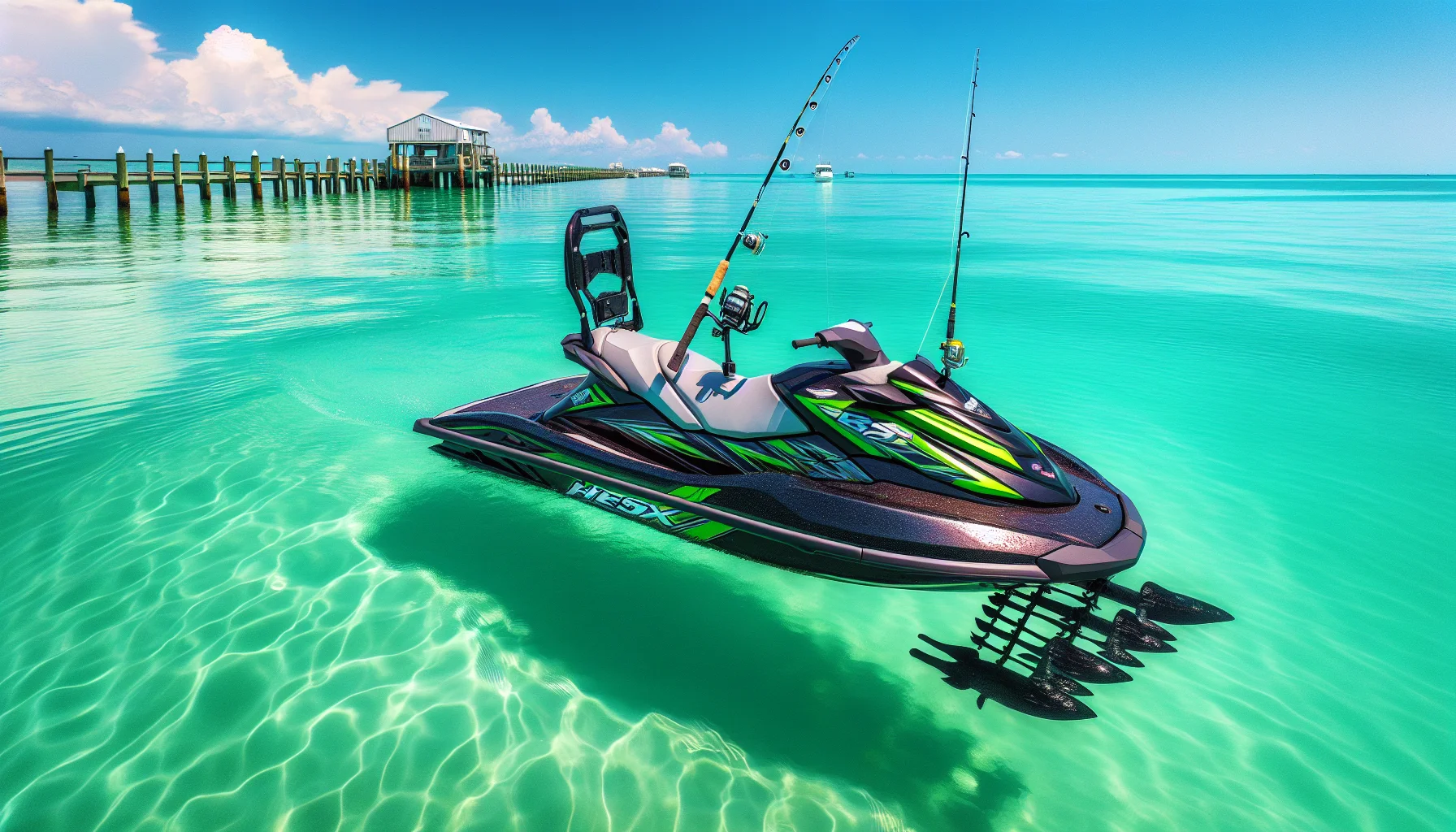
Before the first ride, agree as a family on the designated riding area, a sensible speed, a maximum distance from shore, and a no-showing-off rule. Teens are far more likely to follow limits they helped set. If the family also wants to fish from the machine, know that the rules are specific; see our guide to jet ski fishing regulations in Destin before packing a rod.
Rental Day Checklist for Families
Walk into the rental office prepared and the whole morning goes faster and smoother.
Bring for a certified teen operator (14 to 17):
- The teen's boating safety education card (or printed temporary certificate).
- A government or school photo ID for the teen.
- The renting parent's photo ID and a major credit card.
- Any signed liability waivers the company requires.
Smart arrival strategy:
- Book the first morning slot, when water is calmest and traffic is lightest.
- Arrive early to complete paperwork and the safety briefing without rushing.
- Complete any online forms the company offers ahead of time.
- Watch the safety video together and ask questions before launch.
- Confirm the engine cut-off lanyard is attached and every rider's life jacket fits.
A five-minute equipment check at the dock, life jackets snug, lanyard clipped, controls understood, prevents most first-ride problems before they start.
Alternatives for Kids Under 14
If your child is not yet 14, they cannot operate a jet ski in Destin, but the family still has excellent options on the water:
- Guided or captained tours where a professional operates and kids ride along, often available for children roughly age 6 and up.
- Dolphin and sightseeing cruises on family-friendly boats, welcoming all ages and usually easier on the budget.
- Banana boat and tube rides that deliver thrills with a captain doing the driving.
- Riding as a passenger on a parent-operated PWC in calm, protected water, with a properly fitted life jacket.
These give younger kids a genuine on-water experience while they wait for the age when they can legally take the controls themselves, ideally with certification already in hand.
Conclusion
Jet skiing in Destin can be a highlight of any family vacation, but only when it is done legally and safely. Remember the three rules that matter most: no one under 14 may operate a PWC, anyone born on or after January 1, 1988, needs a boating safety education card, and rental companies enforce their own age and insurance limits on top of the state's rules, with a livery unable to rent a jet ski to anyone under 18. Add the always-on life jacket rule, the attached engine cut-off lanyard, and the daytime-only operating window, and you have the core of safe teen riding.
The easiest way to prepare is to certify your teen before you arrive, so your first Destin morning is spent on the water instead of hunched over a screen. Start the state-standards online course - $12.99 and give your young rider the knowledge and the card they need for a safe, legal, unforgettable ride on the Emerald Coast.