
Why Dania Beach Is a Jet Ski Favorite
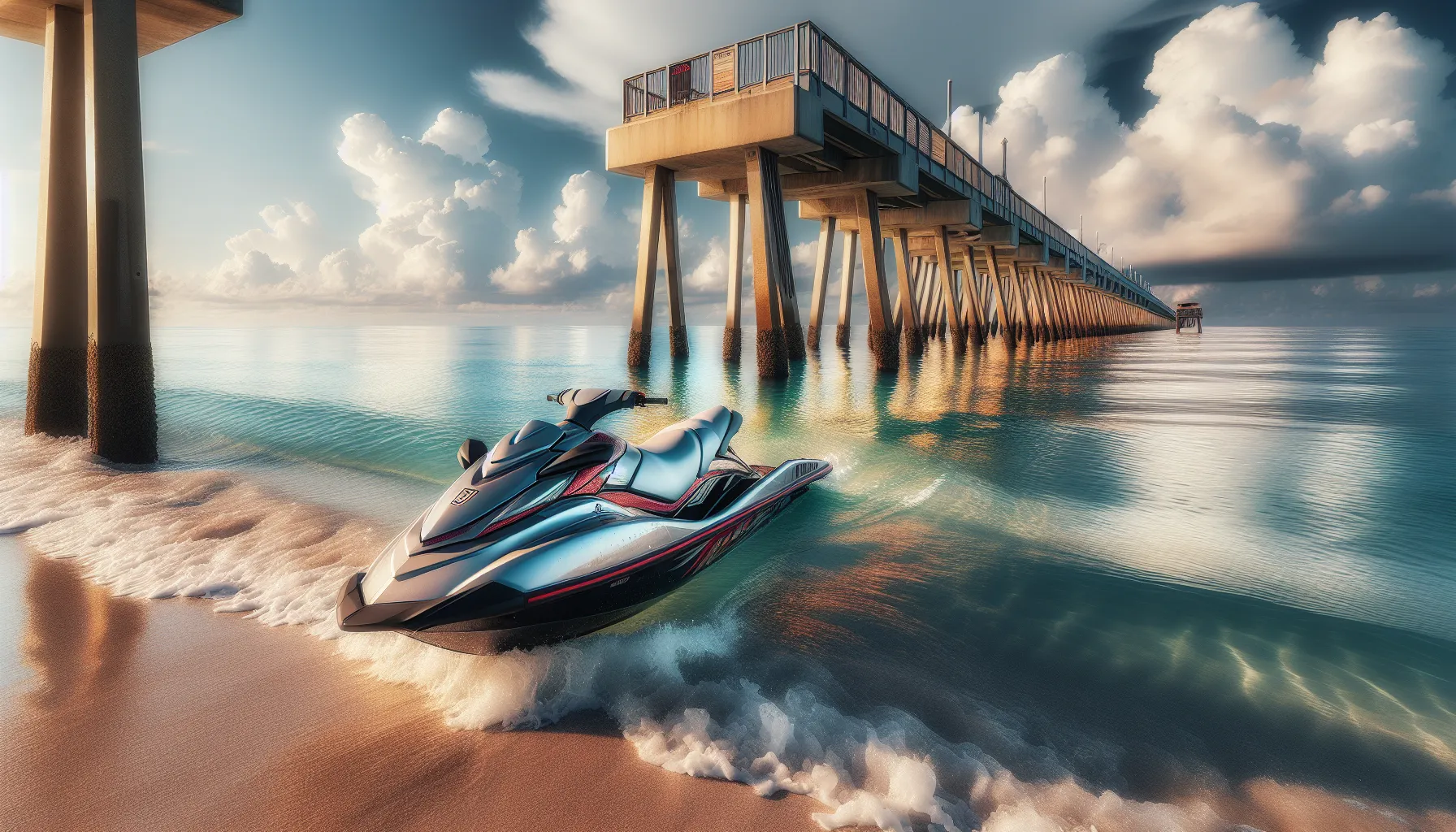
Tucked between Fort Lauderdale and Hollywood on Florida's southeast coast, Dania Beach gives personal watercraft (PWC) riders a rare combination: quick access to the Atlantic through Port Everglades Inlet, plus miles of protected Intracoastal Waterway when the ocean gets rough. That mix is exactly what makes it beginner-friendly and interesting for experienced riders at the same time.
This guide is written to help you actually plan a safe, legal ride rather than just book a rental and hope for the best. By the end you'll know where the good riding water is, what the Florida Fish and Wildlife Conservation Commission (FWC) requires of you as an operator, how to read Dania Beach's specific hazards, and how to get the boater education card the law almost certainly requires you to carry. Get those pieces right and the fun part takes care of itself.
Best Places to Ride Jet Skis Around Dania Beach
Dania Beach riders generally split their time between open Atlantic water and the sheltered Intracoastal. Knowing which is appropriate for the day's conditions is the single biggest safety decision you'll make.
The Intracoastal Waterway (ICW)
The ICW running through Dania Beach and up toward Fort Lauderdale is the go-to for calm-water cruising and for anyone still building confidence. Water is protected, sightlines are long, and there is plenty to look at. The tradeoff is traffic: this is one of the busiest recreational corridors in the country, so expect yachts, sportfishing boats, and other PWCs. Idle through the posted no-wake and manatee zones, and keep well clear of moored and anchored vessels.
If you're thinking of making the northbound run toward Fort Lauderdale, plan the route before you launch rather than improvising it on the water. Our companion guide, Dania Beach to Fort Lauderdale by jet ski, walks through the markers, no-wake stretches, and fuel timing for that trip.
Port Everglades and the Ocean Inlet
Port Everglades is a working commercial port with cruise ships, cargo vessels, and Coast Guard traffic. It is genuinely impressive to watch from a distance, but the inlet itself is not a place to loiter. Large vessels have limited maneuverability and long stopping distances, and security zones around them are enforced. Cross with purpose, stay out of the marked channel where you can, and never assume a big ship can or will alter course for you.
The Open Atlantic
On calm mornings the ocean off Dania Beach is spectacular, with frequent dolphin and sea turtle sightings. It is also unforgiving if the wind picks up or your machine quits a mile offshore. Save open-water riding for experienced operators, check the marine forecast first, and always ride with a buddy craft when you go outside the inlet.
Sheltered Canals and John U. Lloyd Waters
The residential canal systems and the protected waters near Dr. Von D. Mizell-Eula Johnson State Park (formerly John U. Lloyd) offer flat water, wildlife, and a slower pace. These are excellent learning environments, but they are also prime manatee habitat, so treat every posted slow-speed zone as non-negotiable.
Understanding Dania Beach Rental Pricing
Rental rates in Dania Beach move with the season, the machine, and whether you book a guided tour or a self-guided rental. Rather than quote figures that go stale, here's how to read a price sheet so you don't overpay:
- By duration: Half-hour and one-hour slots carry the highest per-minute cost; multi-hour and half-day rentals almost always lower the effective hourly rate.
- Guided vs. self-guided: A guided tour bundles a captain, a briefing, and route knowledge into the price. Self-guided rentals are cheaper per hour but assume you can navigate and stay legal on your own.
- Season: Spring break, holiday weekends, and peak summer command premium pricing. Weekday mornings in the shoulder season are where the deals live.
- Deposit and fuel: Ask upfront whether fuel and a damage deposit are included. A "cheap" rate that adds both at the counter may not be cheap at all.
One number worth building into your budget: most reputable operators require a valid boater education card before they'll hand you the keys if you fall under Florida's education law (more on that next). Showing up without it can cost you the reservation entirely.
Florida PWC Laws Every Rider Must Know
Florida treats a personal watercraft as a Class A vessel, and the FWC enforces a specific set of PWC rules statewide. These apply in Dania Beach exactly as they do everywhere else in Florida. Get familiar with them before you launch, not after an officer stops you.
Age and Education Requirements
- You must be at least 14 years old to operate a PWC in Florida. There is no exception for adult supervision below that age.
- Anyone born on or after January 1, 1988 must carry a Florida Boating Safety Education Identification Card, along with a photo ID, to operate a vessel of 10 horsepower or more, including any jet ski.
- It is illegal to knowingly lease or rent a PWC to anyone who cannot legally operate it, which is why rental shops check your card.
For the full breakdown of ages, hours, and operator rules, see our dedicated guide to Florida jet ski and PWC laws.
Operating Hours
PWCs may only be operated between a half-hour before sunrise and a half-hour after sunset. Night operation of a personal watercraft is prohibited statewide, and it is enforced. Plan your ride to be back and secured before that window closes.
Required Safety Equipment
- A Coast Guard-approved life jacket must be worn by every person on or being towed by a PWC. Unlike larger boats where PFDs may be stowed, on a jet ski they must be on your body.
- The engine cut-off switch lanyard must be attached to the operator, their PFD, or their wrist whenever the PWC is underway. If you fall off, the engine stops instead of circling back.
- A sound-producing device such as a whistle must be aboard.
Operating Conduct
- Weaving through congested traffic, jumping the wake of another vessel too closely, or swerving at the last moment to avoid a collision is reckless operation under Florida law.
- Observe every no-wake and idle-speed zone, and give manatee zones the slow speed they require. Southeast Florida canals are full of them.
Get legal before you ride: BoatSkill's Florida boating safety course delivers the exact state-standards online education card that rental operators check. Study online at your own pace, pass the exam, and print proof immediately.
Boating Under the Influence: Don't Risk It
A jet ski is a vessel, and Florida's Boating Under the Influence (BUI) law applies to it in full. Operating with a blood or breath alcohol level of 0.08 or higher is illegal for adults, and the limit drops to 0.02 for operators under 21. Sun, dehydration, and wave motion amplify impairment on the water far faster than most people expect, so the safe rule is simple: if you're drinking, you're a passenger, not an operator. A BUI is a criminal offense with consequences that follow you off the water.
Reading Dania Beach Weather and Water
South Florida weather is the variable that turns a great plan into a bad afternoon. A few local realities:
- Afternoon thunderstorms are a near-daily summer feature. They build fast, bring lightning and sudden wind, and are dangerous on open water. Ride early and be off the water by early afternoon in the wet season.
- Wind and inlet chop: An outgoing tide meeting an onshore wind at Port Everglades Inlet can stack up steep, closely spaced waves. Check both the wind forecast and the tide before committing to an ocean run.
- Sea breeze cycle: Mornings are typically calmest, which is why experienced riders launch early. By mid-afternoon the sea breeze often builds a chop that beginners will find unpleasant.
Before you leave the dock, check the NOAA marine forecast, note the sunset time so you can back-calculate your legal cutoff, and tell someone ashore your route and expected return.
Fueling and Marina Safety
Refueling is where a surprising number of on-water incidents actually begin. Gasoline vapor is heavier than air and pools in enclosed spaces, so a careless fill-up at a Dania Beach marina can end in a fire or explosion. Shut off the engine, keep the nozzle in contact with the fill opening, don't overfill, and wipe up spills. If your PWC has any enclosed compartment, ventilate before you start.
Because Dania Beach's marinas are busy and fuel handling has real consequences, we published a step-by-step walkthrough: safe fueling procedures at Dania Beach marinas. Read it once and the routine becomes second nature.
Guided Tours vs. Self-Guided Rentals
Guided Tours
A guided tour is the right call for first-timers, out-of-town visitors, and anyone without local navigation experience. A captain handles the route, points out the best wildlife spots, keeps the group out of restricted water, and delivers a real safety briefing. You still need to meet Florida's age and education rules, but you're doing so with a professional beside you.
Self-Guided Rentals
Self-guided riding rewards operators who already know how to navigate and stay legal. You choose the pace and the route, and longer rentals usually cost less per hour. The responsibility is entirely yours: you must carry your education card, obey every zone, and know how to handle a breakdown. If you're crossing into the busy Fort Lauderdale Intracoastal, brush up on those rules first, because that corridor is unforgiving of confused newcomers.
What to Bring and How to Prepare
Non-negotiables:
- A government photo ID
- Your Florida Boating Safety Education ID Card (if born on or after January 1, 1988)
- A properly fitted, Coast Guard-approved life jacket (rentals provide these, but confirm the fit)
- Reef-safe sunscreen and a hat or sunglasses with a strap
Smart additions:
- A waterproof phone case or pouch so you can call for help
- Water to stay hydrated in the Florida sun
- A rash guard or water shoes for comfort
- A basic sense of the local markers and no-wake zones
Knowing What to Do If Something Goes Wrong
Preparation includes planning for the bad day. Two things every Dania Beach rider should have straight before launching:
If the machine quits: Don't panic. Stay with the craft, signal for help, and know your rental operator's emergency number. A PWC is far easier for rescuers to spot than a swimmer, so unless there's a fire, staying aboard is almost always the right move.
If there's an accident: Florida law requires you to stop, render assistance, and report the incident. You must notify the authorities if the accident involves death, a person who disappears, an injury requiring more than basic first aid, or property damage of roughly $2,000 or more. Leaving the scene of a reportable boating accident is a serious offense. Know these thresholds before you ride, not after.
Getting Your Florida Boating License Online
Here's the bottom line for most Dania Beach visitors and residents: if you were born on or after January 1, 1988, you legally need a Florida Boating Safety Education ID Card to operate that jet ski, and the rental shop will ask for it. The good news is the requirement is easy to satisfy from your couch before the trip.
BoatSkill's course is state-standards online and NASBLA-recognized, so the card it issues is accepted statewide and honored across states that recognize NASBLA education. You study online at your own pace and cover the material that actually keeps you safe: Florida boating laws, navigation rules and right-of-way, required safety equipment, emergency procedures, and PWC-specific regulations.
The final exam is 25 questions, and you need 80% to pass, with unlimited retakes if you don't clear it the first time. Pass it and you can print proof of completion immediately, which means you can get certified the same week you ride. If you want the full picture of who needs the card and how it works, our Florida boating license requirements guide covers every detail.
Start the state-standards online course - $12.99
Ride Dania Beach the Right Way
Dania Beach earns its reputation as one of Southeast Florida's best jet ski destinations, offering protected Intracoastal cruising, dramatic port views, and open Atlantic adventure all within a short ride of one another. The riders who have the best time are the ones who show up prepared: they know the rules, they read the weather, they carry the right card, and they respect the water and the wildlife that share it.
Do those things and the only thing left to think about is the ride itself. Handle the legal and safety piece first by getting certified online, then book your rental with confidence.