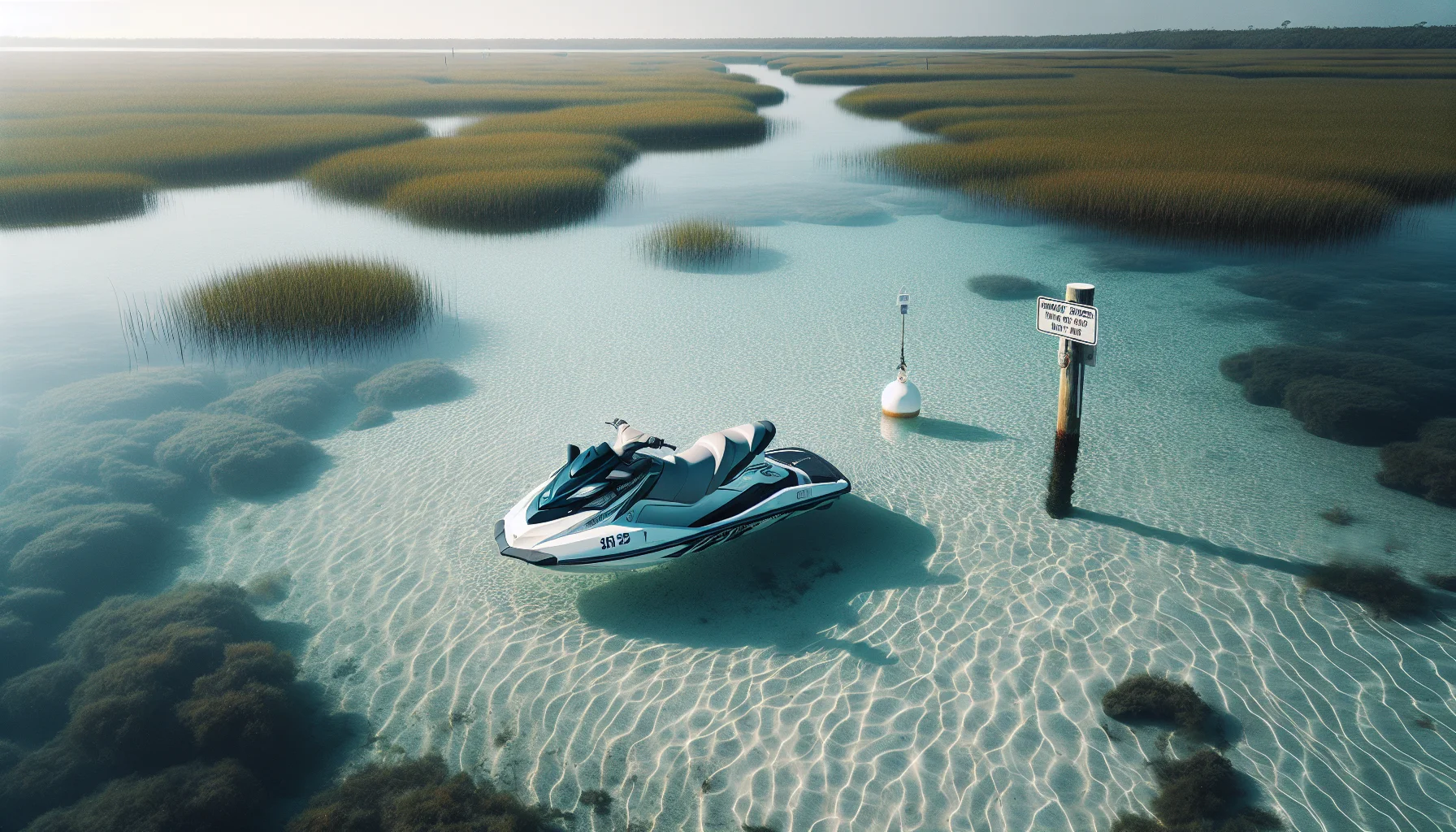


Jet Ski Rentals in Saint Petersburg, Florida
Saint Petersburg sits on a narrow peninsula between Tampa Bay and the Gulf of Mexico, which makes it one of the best-positioned cities in Florida for personal watercraft (PWC) riding. On the bay side you get protected, forgiving water; a short ride west puts you in clear Gulf shallows dotted with barrier islands. In this guide you will learn exactly where to ride, what a rental should cost, the Florida laws that apply the moment you leave the dock, and the practical safety steps that keep a St. Pete jet ski day fun instead of frightening.
Whether you are a visitor renting for an afternoon or a local weighing a season of weekend rides, the goal here is simple: help you launch legally, ride confidently, and come back in with a great story and a clean record. Let's start with the water itself.
Best Places to Ride Jet Skis in St. Petersburg
The geography around St. Pete gives you two very different riding environments within minutes of each other. Knowing which is which lets you match the water to your skill level and the day's conditions.
Protected Bay Water for Learning and Calm Days
Boca Ciega Bay is the classic beginner zone: a sheltered body of water between St. Pete and the barrier islands, studded with mangrove islets and rich with wildlife. Wind fetch is short, so chop stays manageable even when the Gulf is rough. In winter, portions become sluggish, warm refuges for manatees, so idle discipline matters here.
Downtown St. Pete Waterfront and the Pier offers protected Tampa Bay water with the modern St. Pete Pier, museums, and the downtown skyline as your backdrop. Marina access is easy and conditions are usually calm, but expect real boat traffic near the channels.
Open Gulf and Island Runs for Confident Riders
Fort De Soto Park anchors the southern end of Pinellas County with five connected islands, quiet Gulf beaches, and generally calm nearshore water. It is a favorite family destination and a rewarding ride when the Gulf cooperates.
Shell Key Preserve is an undeveloped barrier island reachable only by boat, prized for shelling, shallow clear water, and light traffic. Treat it as a protected natural area, keep your speed down near shore, and never disturb nesting or roosting birds.
Egmont Key State Park sits roughly seven miles out at the mouth of Tampa Bay, with a historic lighthouse, fort ruins, and sea-turtle nesting beaches. It is an adventure run for experienced riders only, and one you should attempt with a full tank, a float plan, and a careful weather check.
Tierra Verde, the Pinellas Bayway, and Pass-a-Grille Beach round out the options. They deliver Skyway Bridge views, quieter residential canals, and a laid-back local vibe away from the busiest tourist beaches.
New to the region's dolphins and manatees? Our guide on how to spot manatees while jet skiing in St. Petersburg explains where these protected animals gather and how to ride responsibly around them.
What Jet Ski Rentals Cost in St. Petersburg
Rental pricing in St. Petersburg tracks the rest of the Gulf coast: it climbs with duration, peaks on holiday weekends and in summer, and rises for guided tours over bare rentals. The ranges below reflect typical market rates rather than any single operator's menu, so always confirm the current price, fuel policy, and deposit before you book.
| Duration | Typical Price Range |
|---|---|
| 30 minutes | $75 - $100 |
| 1 hour | $125 - $175 |
| 2 hours | $200 - $300 |
| Half day (4 hrs) | $350 - $500 |
| Full day (8 hrs) | $500 - $800 |
A few line items surprise first-time renters. Most shops hold a security deposit on your card. Many charge for fuel used rather than including it. Almost all require a signed liability waiver, a valid government ID, and, for anyone born on or after January 1, 1988, proof of boater education. Ask whether taxes, guide gratuity, and life-jacket rental are already in the quoted number so the price at the dock matches the price you agreed to.
Florida Jet Ski Laws Every St. Pete Rider Must Know
Personal watercraft are legally vessels, and the state enforces PWC rules aggressively across busy Tampa Bay. The Florida Fish and Wildlife Conservation Commission (FWC) is the primary agency on the water, and a friendly wave from an officer can turn into a stop and a citation if you are riding outside the rules. Here is what applies the instant you leave the dock.
Age, Education, and the Boater Card
- You must be at least 14 years old to operate a PWC in Florida. There is no adult-supervision exception that lowers this age.
- Anyone born on or after January 1, 1988 must carry a Boating Safety Education ID Card to operate a vessel of 10 horsepower or more, which includes every rental jet ski.
- The card comes from completing a boating safety course approved by the National Association of State Boating Law Administrators (NASBLA) and the FWC. It does not expire and is honored throughout Florida.
- Rental operators frequently set their own minimum rental age at 18 or higher, separate from the state's operating age.
For the full breakdown of ages, hours, and equipment, see our deep dive on Florida jet ski and PWC laws and age requirements.
Operating Hours and the Engine Cut-Off Lanyard
- PWCs may not be operated from a half-hour after sunset to a half-hour before sunrise, even where regular boats can run with proper lights. Plan your ride to be back at the dock before the cutoff.
- The engine cut-off switch lanyard must be attached to the operator (wrist or PFD) whenever the PWC is underway, so the engine stops if you fall off.
Life Jackets and Sound Signals
- Every person on a PWC must wear a Coast Guard-approved life jacket. Unlike on many boats, stowing it is not enough; it has to be on your body. Florida also requires children under six to wear a PFD aboard any vessel under 26 feet while underway.
- Riders being towed on a tube or similar device must wear a PFD as well.
- You must carry a sound-producing device, such as a whistle, to signal other vessels.
Not sure which life jacket type qualifies? Our Florida life jacket and PFD requirements guide covers the approved types and fit rules.
Distance, Wake, and Reckless Operation
- Weaving through congested traffic, jumping the wake of another vessel too closely, or spraying others counts as reckless operation and is enforced.
- Observe every posted no-wake and idle-speed zone, especially near marinas, bridges, and manatee areas.
- Give divers-down flags a wide berth: stay roughly 300 feet away in open water and about 100 feet in channels, and slow to idle if you must pass closer.
Boating Under the Influence
Operating a PWC with a blood-alcohol concentration of 0.08 or higher is boating under the influence (BUI), the same threshold as driving. For operators under 21, the limit is 0.02. Penalties escalate quickly and mirror those for DUI. If alcohol is part of the plan, make it a beach plan, not a riding plan.
Get certified before your trip: the fastest way to meet Florida's education requirement is our Florida boating safety course, completed online at your own pace.
Best Time to Ride in St. Petersburg
St. Petersburg is famous for sunshine, and the water is rideable in every season. Matching your visit to the calendar helps with cost, crowds, and comfort.
Peak Season (March - August)
Warm water and long days draw the biggest crowds and the highest prices, especially during spring break and holiday weekends. Book rentals days ahead, launch early, and be off the water before the near-daily afternoon thunderstorms build.
Shoulder Season (September - November)
Fewer visitors, softer pricing, and still-warm water make this a sweet spot for many riders. The trade-off is the Atlantic hurricane season, which runs through November, so watch the tropical forecast and keep plans flexible.
Winter Season (December - February)
This is the locals' season: minimal crowds, the best rates, and comfortable riding on many days, though water temperatures dip into the 60s. Winter also concentrates manatees in warm-water refuges, so expect more slow-speed zones and ride accordingly.
Reading Tampa Bay Weather and Water Before You Launch
The single biggest safety variable in St. Pete is the weather, and it changes fast. Tampa Bay leads the nation in warm-season lightning, and a calm morning can turn dangerous by early afternoon.
- Check the marine forecast, not just the beach app. Look at wind speed, wind direction, and the chance of thunderstorms. Winds over about 15 knots stack up meaningful chop, particularly on the open Gulf and across the wider bay.
- Respect the afternoon storm pattern. From roughly June through September, storms fire almost daily after midday. A jet ski is one of the most exposed places you can be in lightning, so head in at the first distant rumble or towering cloud. Our Tampa Bay thunderstorm safety guide walks through exactly what to do when the sky turns.
- Know the no-wake zones. Tampa Bay is threaded with idle-speed and manatee zones near bridges, marinas, and shorelines. Riding through one at speed is an easy ticket to catch. Study the map in our Tampa Bay no-wake zones and speed limit guide before you go.
- Mind the tides and channels. Shallow flats around the barrier islands can leave you aground at low water, and commercial and recreational traffic funnels through marked channels. Cross channels quickly and at a right angle, and never idle in one.
Guided Tours vs. Freestyle Rentals
Choosing the right rental format is mostly about experience and how much of St. Pete you want to see.
Guided Jet Ski Tours
Guided tours suit first-timers, visitors, and anyone without local navigation knowledge. A licensed guide leads the route, handles the safety briefing, points out dolphins and manatees, and keeps the group clear of hazards and restricted zones. Tours typically run one to two hours and cost more per hour, but you get local knowledge and peace of mind baked in.
Freestyle (Bare) Rentals
Freestyle rentals give experienced riders the freedom to set their own pace and pick their own destinations, and they usually work out cheaper per hour on longer bookings. The trade-off is responsibility: you must hold valid boater education if the law requires it, know the waterways, stay inside any area the operator designates, and manage your own weather and fuel decisions. If you are confident on the water and comfortable reading a chart, a bare rental unlocks the whole peninsula.
Getting Your Florida Boating License Before You Ride
If you were born on or after January 1, 1988, Florida law requires a Boating Safety Education ID Card before you can legally operate that rental jet ski, whether you are a resident or a tourist. Many visitors do not learn this until they are standing at the rental counter, so handle it in advance and protect your vacation day.
The good news is that the requirement is met entirely online. A NASBLA- and state-standards online course covers Florida boating law, navigation rules and right-of-way, required safety equipment, emergency procedures, and PWC-specific rules, which is precisely the knowledge that keeps you safe in busy Tampa Bay.
The final exam is 25 questions, you need 80% to pass, and you get unlimited retakes if you miss on the first try. Most students finish in a single sitting, then print a temporary certificate immediately so they can rent right away. If you would rather understand the whole process first, our complete Florida boating license requirements guide lays out every step.
Start the state-standards online course - $12.99
Final Checklist Before You Launch in St. Petersburg
St. Petersburg delivers a rare combination of protected bay water for learning and open Gulf runs for adventure, all within a few minutes of downtown. Ride it well and it is one of Florida's best PWC destinations. Run through this list before you go:
- Get certified if you were born on or after January 1, 1988, and carry your Boating Safety Education ID Card and a photo ID.
- Book ahead during peak season and confirm the price, deposit, and fuel policy in writing.
- Check the marine forecast for wind and thunderstorms, and plan to be off the water before the afternoon storm window.
- Wear your life jacket and cut-off lanyard from the moment you leave the dock, and be back in before the post-sunset PWC cutoff.
- Respect the zones by idling through no-wake and manatee areas and staying clear of divers-down flags.
Handle the legal side first and the fun takes care of itself. Get your card, then get on the water with confidence.